Quartz vs Granite Worktops: Which is Better for Your Kitchen?

When deciding between quartz vs granite worktops, the best choice depends entirely on your maintenance preferences and design requirements.

  • Quartz: Engineered for zero-porosity, requiring no chemical sealing, offering extreme stain resistance and consistent patterns.

  • Granite: A 100% natural stone requiring annual sealing, offering unparalleled heat resistance and completely unique, unpredictable mineral veining.

  • Verdict: Choose quartz for a highly hygienic, low-maintenance modern kitchen, or select granite if you strictly desire a unique, heat-resistant natural aesthetic.

Understanding Quartz vs Granite Worktops in Modern Kitchens

The debate regarding quartz vs granite worktops often comes down to understanding how each bespoke surface is actually manufactured. Homeowners frequently confuse the two materials, assuming both are pulled directly from the earth in exactly the same manner.

In reality, they represent two completely different approaches to kitchen design, requiring distinct fabrication techniques from our master stonemasons. Making the correct choice prevents costly mistakes, such as selecting a high-maintenance porous stone for a busy, spill-prone family environment.

As experienced stonemasons, we handle both materials daily, applying strict millimetre precision during the CNC cutting phase. We see exactly how these heavy surfaces behave once fitted over bespoke cabinetry in highly demanding, modern household environments.

The Engineering Behind Premium Quartz Surfaces

Engineered stone is created by binding approximately 90% natural crushed minerals with advanced polymer resins and pigment under intense pressure. This industrial process ensures the final slab is entirely non-porous, highly durable, and completely uniform in its visual appearance.

Because the manufacturing is heavily controlled, we can offer an incredibly wide variety of precise Quartz worktops colour options. This guaranteed consistency allows our installation teams to create absolutely flawless, seamless joints across massive bespoke kitchen islands.

The Natural Beauty and Variance of Granite Slabs

Conversely, granite is a purely natural igneous rock, quarried directly from the earth in massive blocks before being sliced into functional slabs. This means every single piece of granite is entirely unique, featuring unpredictable mineral deposits, sweeping veins, and natural structural fissures.

When clients evaluate quartz vs granite worktops, the appeal of granite often lies in owning a completely unrepeatable piece of natural earth. However, this natural variance makes templating incredibly challenging, requiring strategic cutting to align the chaotic patterns across different sections.
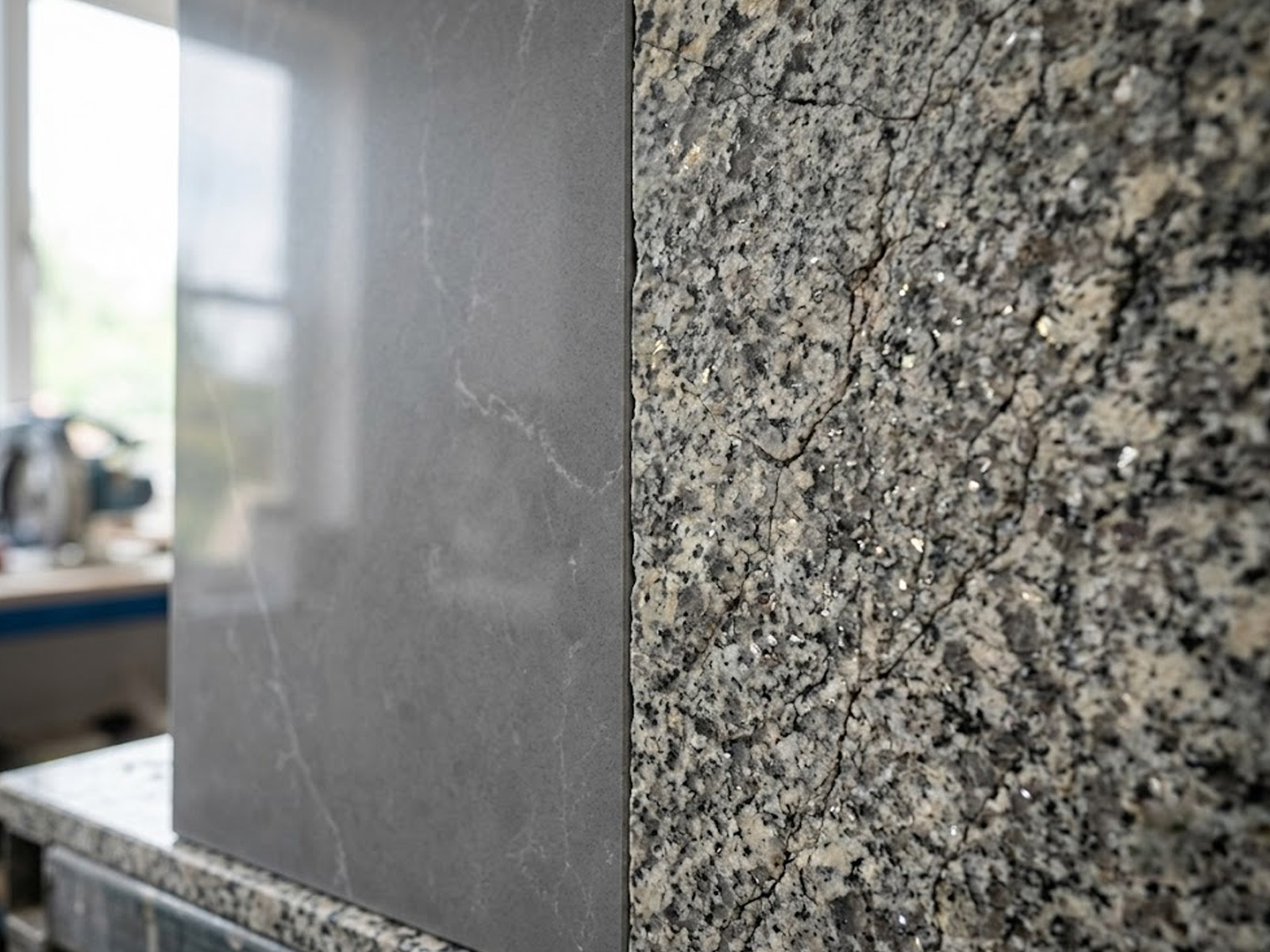
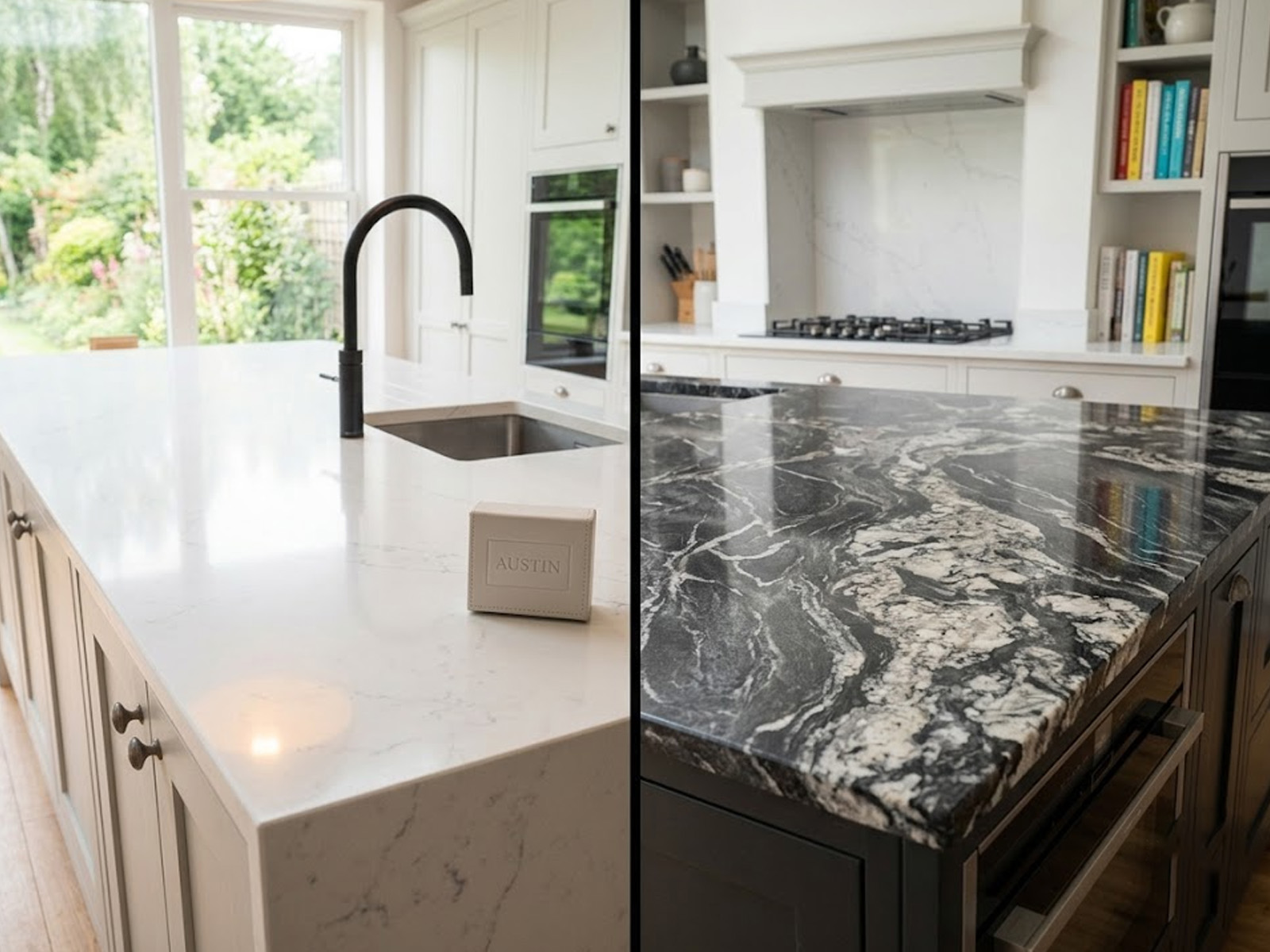
quartz-and-granite-surface-porosity

Durability and Maintenance: Quartz vs Granite Worktops

Comparing the daily resilience of quartz vs granite worktops reveals distinct advantages and critical limitations for each premium surface. Both materials easily withstand the heavy impacts associated with daily culinary tasks, but they react completely differently to heat and liquids.

To explore engineered stone’s specific limitations further, we highly recommend reading our detailed guide on The Honest Pros and Cons of Quartz Kitchen Worktops. Understanding these structural factors ensures you do not accidentally damage your pristine kitchen island during intense cooking sessions.

Why Chemical Sealing Makes a Massive Difference

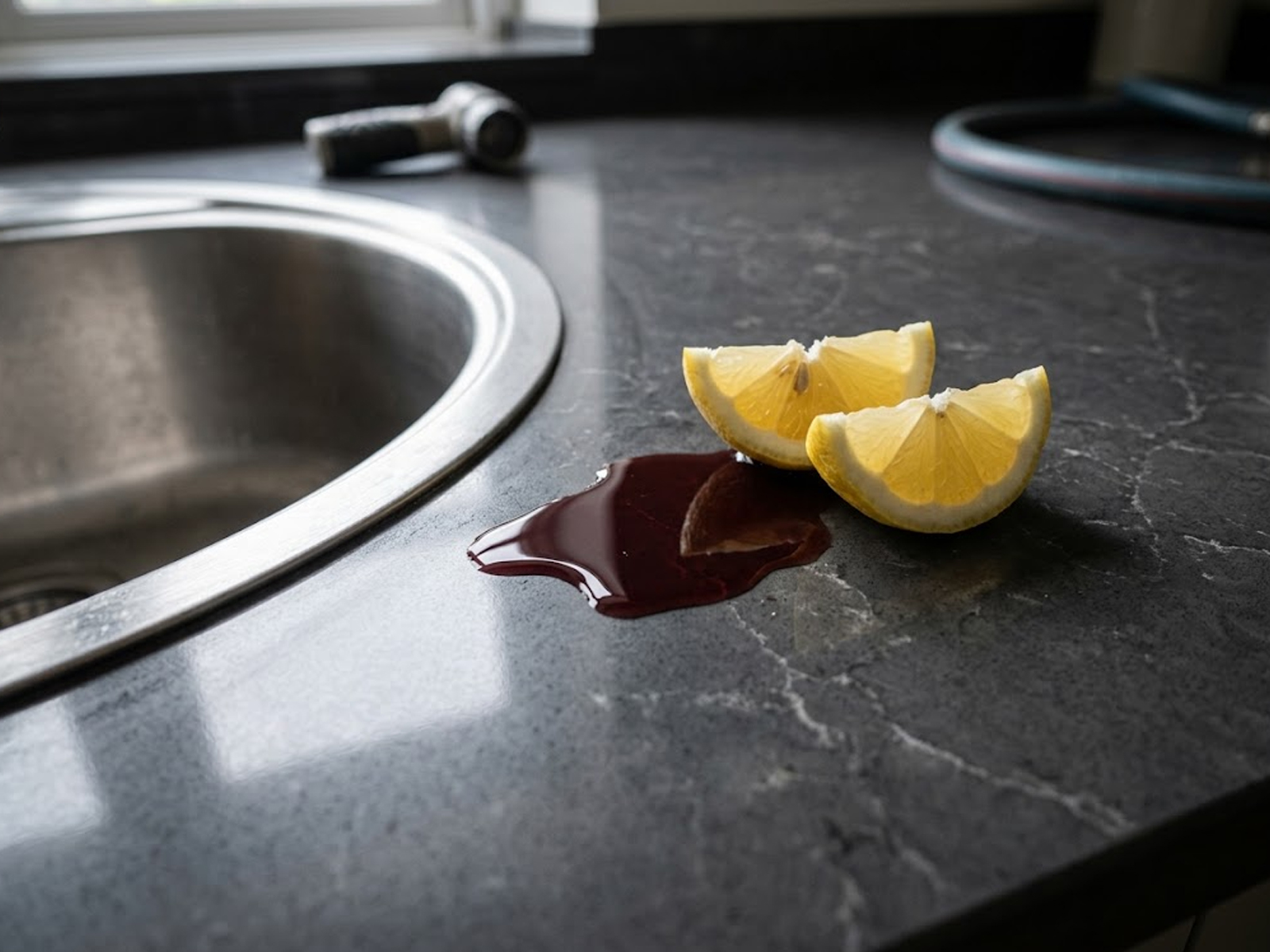
Because natural granite is inherently porous, it strictly requires the application of a high-quality chemical sealant every twelve to eighteen months. Failing to maintain this protective barrier allows acidic liquids like wine or lemon juice to permanently stain the deep microscopic fissures.

Engineered surfaces completely eliminate this frustrating maintenance loop, as the internal polymer resins create an impenetrable, permanently hygienic barrier. This non-porous nature makes engineered stone vastly superior for busy households seeking a simple wipe-clean solution without ongoing chemical treatments.

Fabrication Challenges for Quartz vs Granite Worktops

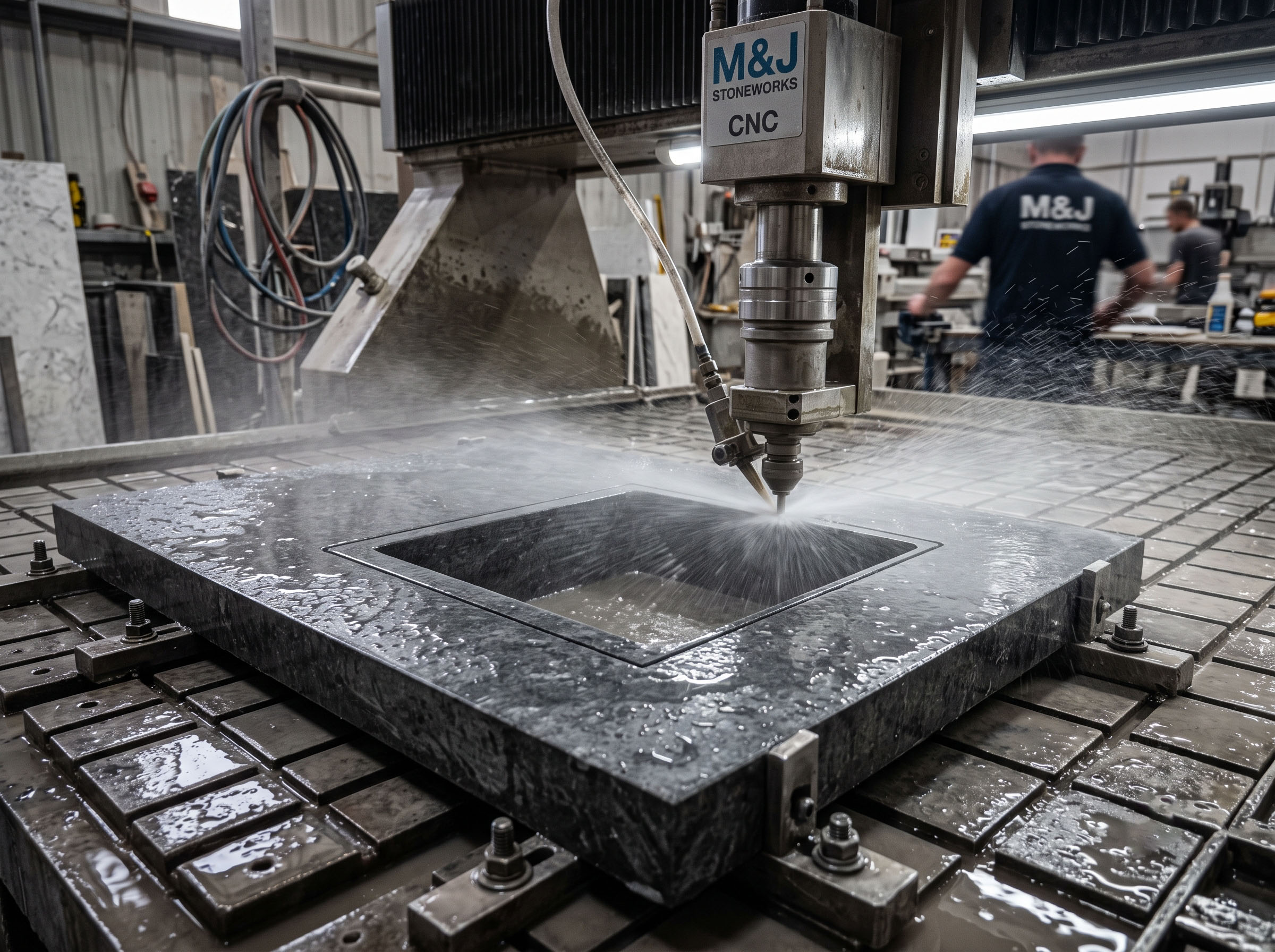
The physical differences between quartz vs granite worktops dictate exactly how our master stonemasons process the slabs in our fabrication facility. Both materials are incredibly heavy and require state-of-the-art water-jet CNC machinery to cut precise sink and hob cutouts accurately.

We template every project to strict millimetre tolerances, guaranteeing a perfect fit that gracefully accommodates any uneven architectural walls. Precision cutting is non-negotiable; attempting to alter these rigid, heavy slabs on-site generates hazardous dust and risks catastrophic fractures.

Addressing Common Client Installation Mistakes

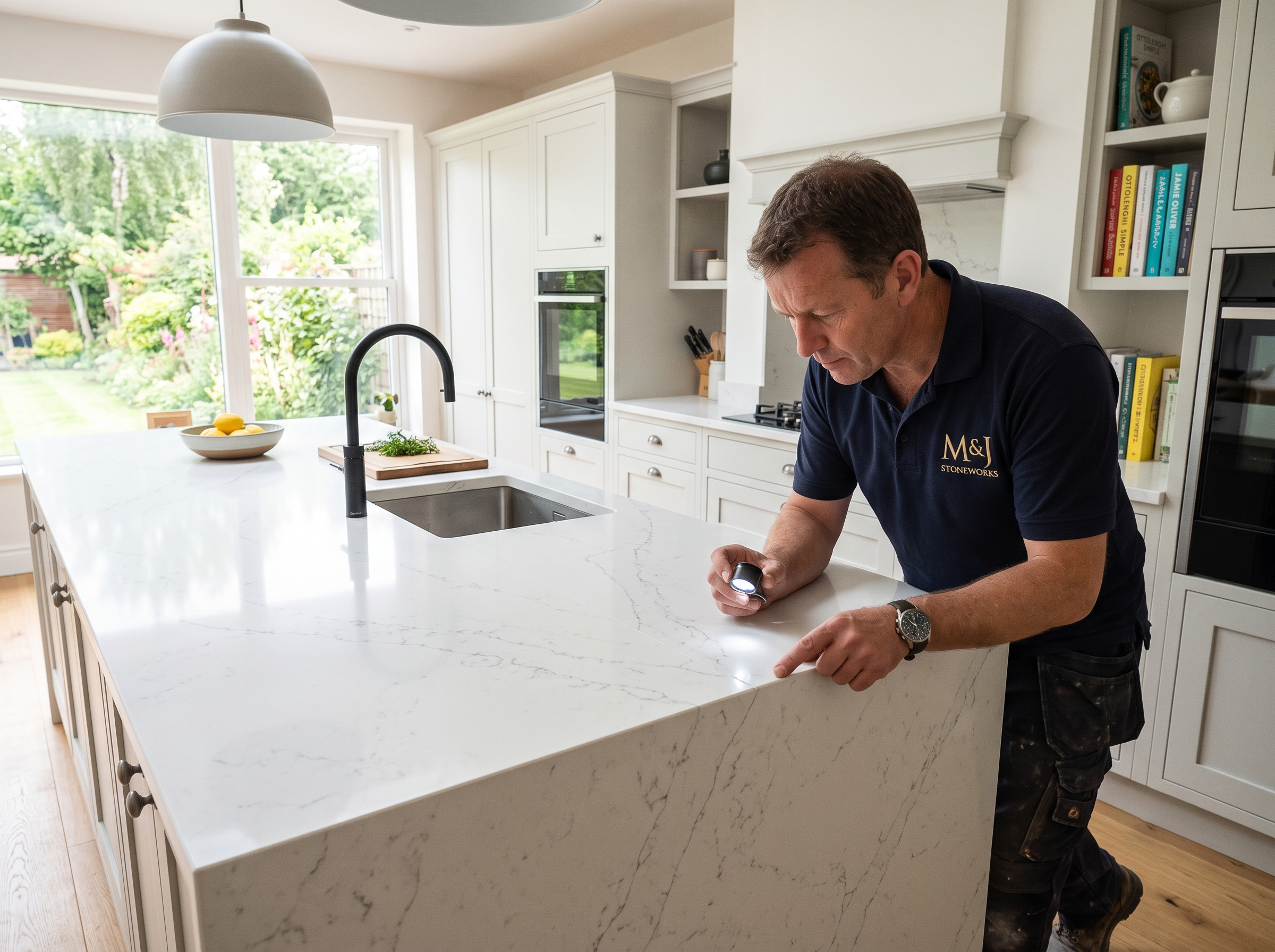
One of the most disastrous mistakes clients make when planning for quartz vs granite worktops is failing to level their base cabinets properly. If immense weight is placed onto uneven wooden supports, microscopic tension points develop, which will inevitably cause the stone to crack.

Furthermore, selecting the wrong edge profile for a high-traffic area can lead to premature chipping around the sink or dishwasher. We always conduct a thorough site survey to verify structural integrity, ensuring your bespoke surfaces are supported perfectly for decades.

Cost and Value: Weighing Quartz vs Granite Worktops

Budgeting for quartz vs granite worktops requires looking beyond the raw material cost and factoring in specific fabrication complexities. Intricate edge polishing, recessed draining grooves, and bespoke corner joints all require significant machine time and highly skilled manual labour.

The table below provides a clear, high-level comparison to help you evaluate the performance and baseline requirements of both premium materials.

FeatureEngineered QuartzNatural Granite
Porosity100% Non-PorousNaturally Porous
MaintenanceLow (Wipe clean only)High (Annual sealing)
Heat ResistanceModerate (Use trivets)Exceptionally High
AestheticConsistent & UniformUnique & Unpredictable


Why Direct Fabrication Lowers Your Final Price

Securing the best value for your chosen material means bypassing traditional retail showrooms that inflate prices with massive middleman markups. Because we handle every single step internally, we can offer highly competitive pricing without compromising on our exacting engineering standards.

You can learn more about our direct-to-consumer model and extensive portfolio by visiting Austin Laminate Countertops directly. Managing the entire process from digital templating to final fitting guarantees absolute quality control and a deeply transparent pricing structure.

Health, Safety, and UK Fabrication Regulations

The debate around quartz vs granite worktops also touches upon essential workplace safety protocols during the demanding fabrication process. Cutting these incredibly dense materials generates hazardous crystalline silica dust, which must be strictly managed to protect our master stonemasons.

Our advanced fabrication workshop complies entirely with the rigorous safety standards established by the gov.uk Health and Safety Executive. We utilise industrial wet-cutting machinery and advanced air filtration systems to ensure a completely safe environment and an uncontaminated final product.

Final Verdict: Choosing Between Quartz vs Granite Worktops

Ultimately, resolving the quartz vs granite worktops debate comes down to how you actually intend to use your bespoke kitchen space. If you demand a hygienic, absolutely zero-maintenance surface with contemporary styling, engineered stone is undoubtedly the superior long-term investment.

Conversely, if you possess a strict preference for unique, earthly aesthetics and do not mind annual maintenance, natural stone remains exceptional. Both materials will dramatically elevate the value and functionality of your property when templated and installed by dedicated, experienced professionals.

Get Your Accurate Worktop Quotation Today

Stop relying on vague online estimates and secure a highly accurate, bespoke quotation tailored precisely to your specific kitchen layout. Our in-house team is ready to guide you through the material selection process and explain our strict templating tolerances.

Submit your project dimensions today by requesting a Free Quote through our secure online portal. Let our master stonemasons deliver a pristine, perfectly levelled installation that will easily withstand decades of heavy daily use.
Undermount vs Belfast Sinks: Best Options for Quartz Surfaces

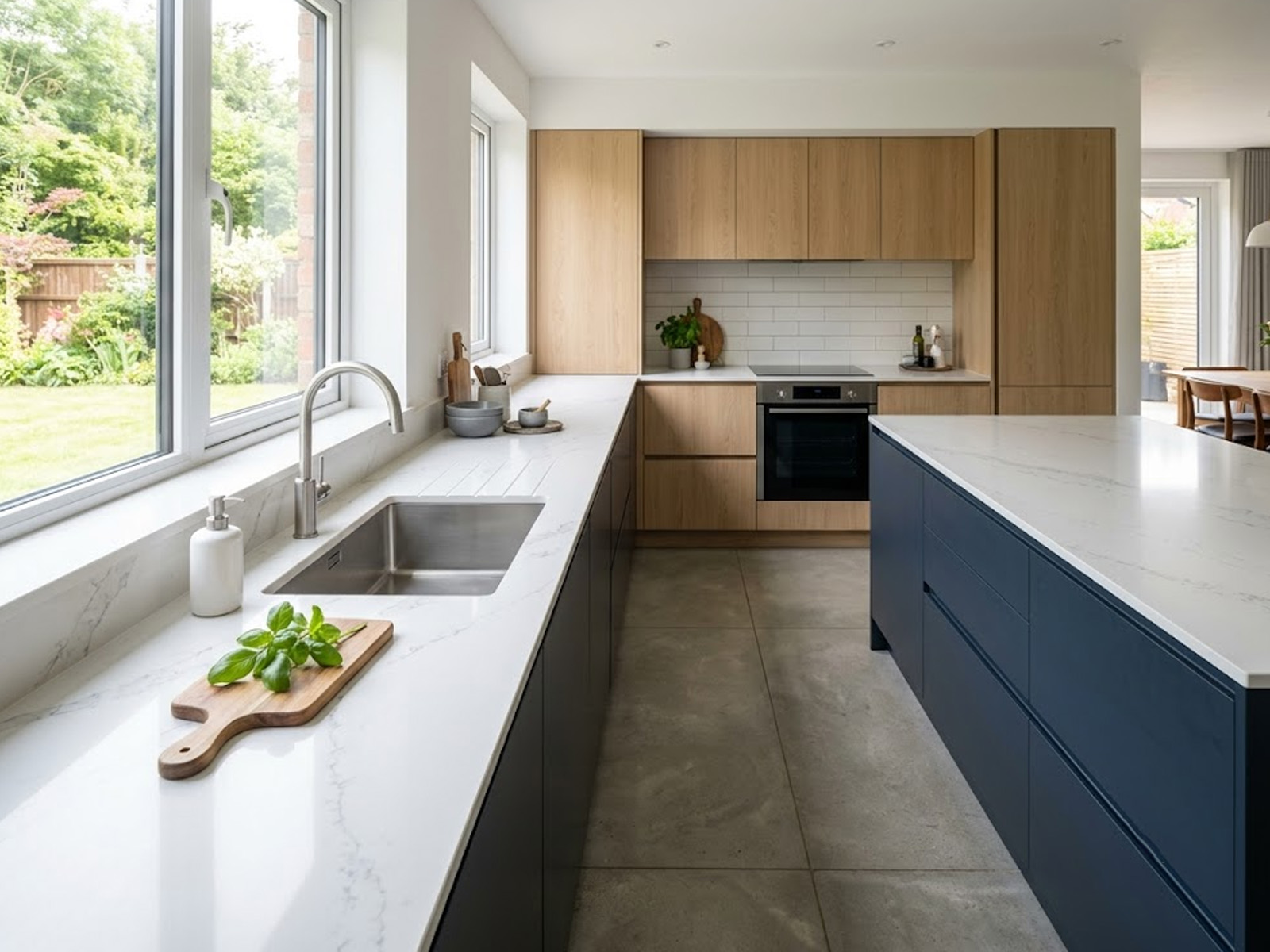
When determining the best sinks for quartz worktops, the top choices are undermount basins and traditional Belfast sinks.

  • Undermount Sinks: Fitted seamlessly below the stone worktop, these offer a highly hygienic finish where crumbs wipe directly into the bowl. They require precision CNC polishing on the exposed inner edges of the stone.

  • Belfast Sinks: Deep, traditional ceramic basins that sit proudly exposed at the front. They demand robust, reinforced base cabinetry to support their immense weight when filled with water.

  • Verdict: Undermount styles perfectly suit sleek, modern British kitchens, whilst Belfast sinks are the ultimate centrepiece for classic, Shaker-style heritage designs.

Why Choosing the Best Sinks for Quartz Worktops Matters

Selecting the correct basin prevents catastrophic structural failures and ongoing hygiene issues in your new kitchen.

As master stonemasons, we understand that a heavy stone slab requires precise engineering around any sink cutout. We frequently see clients underestimate the structural engineering required for different basin types during their initial planning phase.

Finding the best sinks for quartz worktops ensures that your beautiful new surfaces are not compromised by incompatible plumbing fixtures. Your choice dictates exactly how we template, cut, and polish the stone in our fabrication workshop.

Addressing Common Customer Installation Mistakes

Poorly supported cabinets and incorrect material choices often lead to disastrous worktop cracks and failed installations.

The most critical error we observe on-site is unlevel base cabinets attempting to support massive stone weights. If your cabinetry is uneven, placing a heavy quartz slab and a water-filled sink on top will inevitably cause stress fractures over time.

Furthermore, homeowners often select deep ceramic basins without realising their heavy, busy lifestyle demands a low-maintenance stainless steel option. Understanding your daily culinary habits is absolutely vital before selecting the best sinks for quartz worktops for your property.

The Undermount Sink: One of the Best Sinks for Quartz Worktops

Undermount basins are seamlessly attached beneath the stone, offering unparalleled hygiene and incredibly sleek aesthetics.

This flush configuration allows you to wipe food debris and water directly from the counter into the drain effortlessly. Because there is no raised lip to catch grime, it is widely considered one of the best sinks for quartz worktops in contemporary British homes.

The minimalist design highlights the beautiful veining of your stone rather than drawing attention to the plumbing fixtures. It provides a brilliantly clean, uncluttered workspace that is highly sought after in modern, open-plan properties.

Precision CNC Fabrication for Undermounts

Undermount installations require flawlessly polished inner edges, demanding advanced CNC water-jet machinery to achieve perfection.

During fabrication, we cut the sink hole to strict millimetre tolerances based on precise digital laser templates taken at your home. The exposed inner rim of the engineered stone is then meticulously polished to match the top surface perfectly.

We secure these basins using heavy-duty mechanical clips and colour-matched epoxy resins for a completely waterproof, permanent seal. You can explore our stunning Quartz kitchen surfaces to see how seamlessly these modern basins integrate into luxury designs.

The Belfast Sink: Ranking Among the Best Sinks for Quartz Worktops

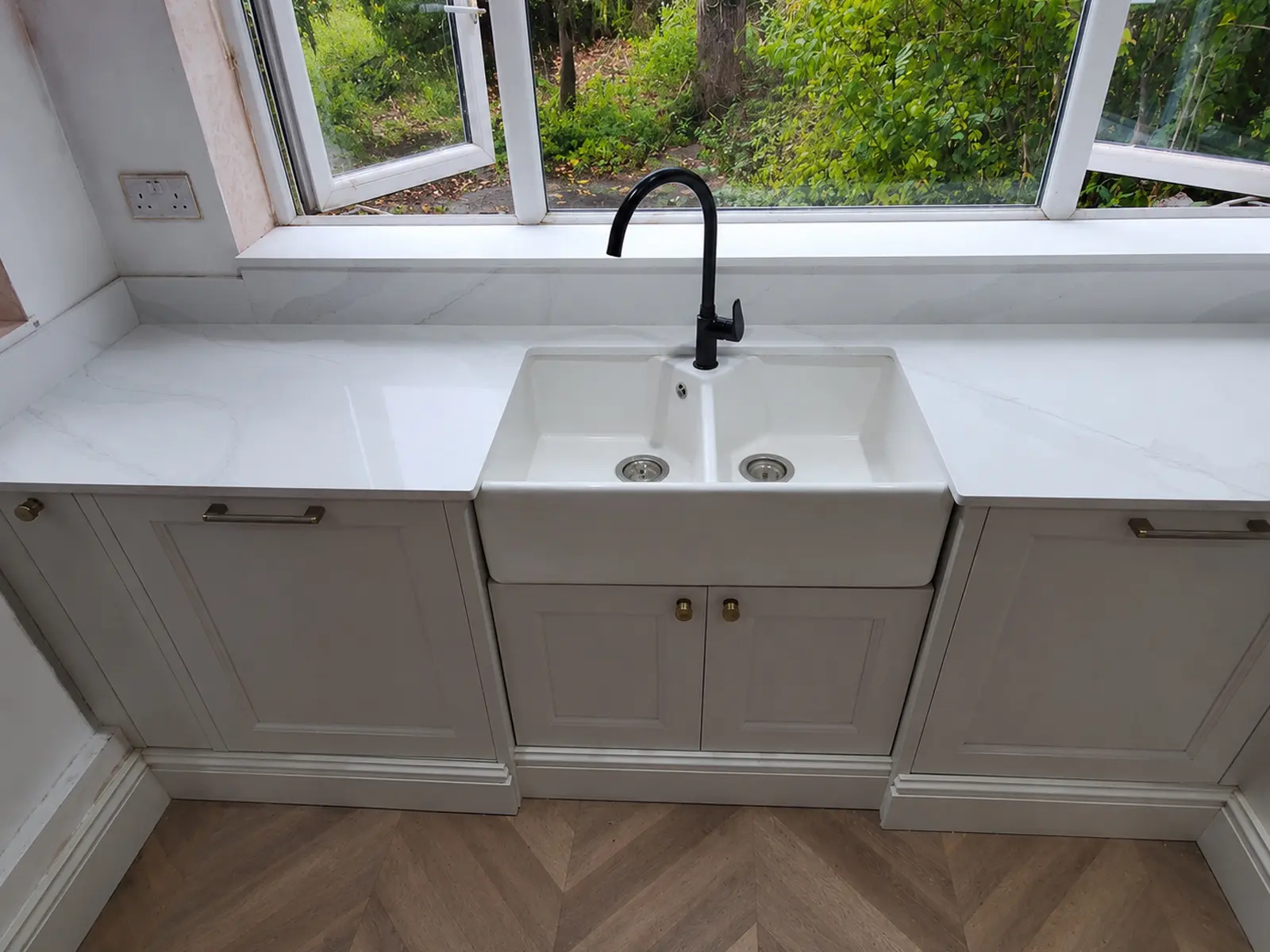
Belfast sinks sit directly on the base cabinetry, featuring an exposed front apron that exudes classic country character.

Originally designed for traditional washhouses, these deep ceramic basins easily accommodate massive roasting pans and baking trays. They remain incredibly popular when paired with heavily veined, marble-effect stone designs in period properties.

Pairing a classic ceramic basin with popular quartz worktop colours in the UK creates a stunning visual contrast that anchors the entire room. This robust charm is exactly why they continually rank among the best sinks for quartz worktops for heritage renovations.

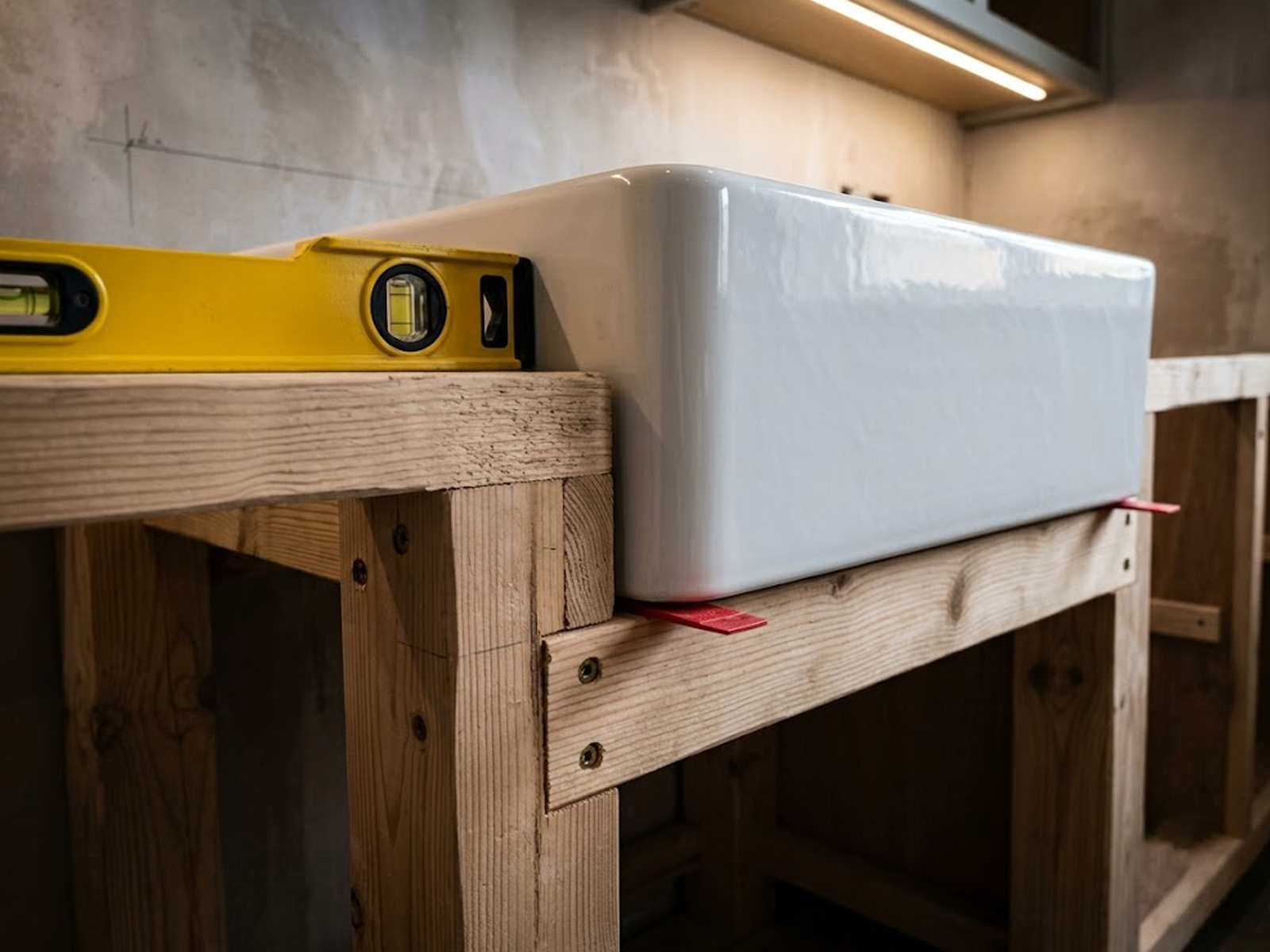
Belfast-Sink-Cabinet-Preparation

Cabinet Support and Structural Integrity

A standard Belfast basin can weigh up to 60kg when filled with water, demanding heavily reinforced timber cabinetry.

The engineered stone worktop does not carry the immense weight of a Belfast basin; a dedicated timber support frame must take the entire load. Failing to reinforce your base cabinets is a common DIY mistake that leads to sagging and costly kitchen repairs.

We always verify your structural integrity during our initial digital templating visit to ensure a safe, long-lasting installation. Proper structural planning guarantees that these traditional designs function flawlessly as the best sinks for quartz worktops available.

Belfast sink in a kitchen

Comparing Undermount vs Belfast: The Best Sinks for Quartz Worktops

Your final choice depends entirely on your architectural design preferences, daily maintenance habits, and available cabinet space.

Undermount options maximise your visible stone surface and are generally easier to keep pristine on a daily basis. Belfast options command attention as a bold design centrepiece but require slightly more cautious handling with heavy cast-iron pots.

Ultimately, identifying the best sinks for quartz worktops means balancing the visual impact you desire with the practical realities of your cooking routine. Both options, when fitted by professional stonemasons, deliver exceptional durability and immense property value.

Evaluating the Best Sinks for Quartz Worktops by Cost

Analysing the differences in fabrication complexity helps determine which basin suits your specific kitchen renovation budget.

The following table outlines the key structural and design differences between these two highly popular kitchen sink configurations.

FeatureUndermount SinksBelfast (Butler) Sinks
Aesthetic StyleSleek, Modern, MinimalistTraditional, Farmhouse, Heritage
Cleaning & HygieneOutstanding (Wipe straight in)Good (Requires wiping around the rim)
Fabrication RequiredCNC edge polishing requiredPrecise bridge cutout required
Cabinet SupportStandard clips and resinA heavy-duty reinforced base needed
Best Kitchen StyleContemporary urban designsClassic Shaker-style kitchens


Health, Safety, and UK Fabrication Regulations

Cutting dense engineered stone generates hazardous silica dust, demanding strict workplace safety protocols during the manufacturing process.

Our state-of-the-art facility utilises advanced wet-cutting CNC machinery to completely suppress these dangerous airborne particulates at the source. This protects our dedicated master stonemasons while guaranteeing flawless, millimetre-precise cuts for your new home.

We operate in absolute compliance with the strict occupational health guidelines enforced by the gov.uk Health and Safety Executive. This ethical commitment ensures your bespoke kitchen is manufactured safely to the highest possible industrial standards.

Maximising Value with Direct-to-Consumer Fabrication

Bypassing traditional high-street showrooms ensures you receive premium craftsmanship without paying inflated middleman markups.

By managing the entire manufacturing process in-house, Austin Laminate delivers exceptional stone quality and highly competitive pricing. We handle absolutely everything, from the initial digital templating survey to the final seamless installation in your home.

This streamlined, direct-to-consumer approach guarantees absolute quality control and eliminates frustrating delays caused by third-party contractors. It is the smartest way to secure the best sinks for quartz worktops alongside premium stone surfaces.

undermount sink in kitchen

Securing Your Professional Estimate Today

Obtaining an accurate quotation helps you allocate your renovation budget effectively across premium materials and professional fitting.

For a transparent breakdown of installation expenses, review our detailed guide on Quartz Worktop Costs in the UK. We believe in providing honest, upfront pricing with absolutely no hidden retail fees or unexpected fabrication charges.

Stop relying on vague showroom estimates and secure a highly accurate price tailored precisely to your bespoke kitchen layout. Submit your plans today by requesting an Instant free quote through our secure online portal.

How to Clean and Maintain Your Quartz Worktops Safely

When determining how to clean quartz worktops, you must strictly prioritise gentle, non-abrasive methods to protect the internal resin binders.

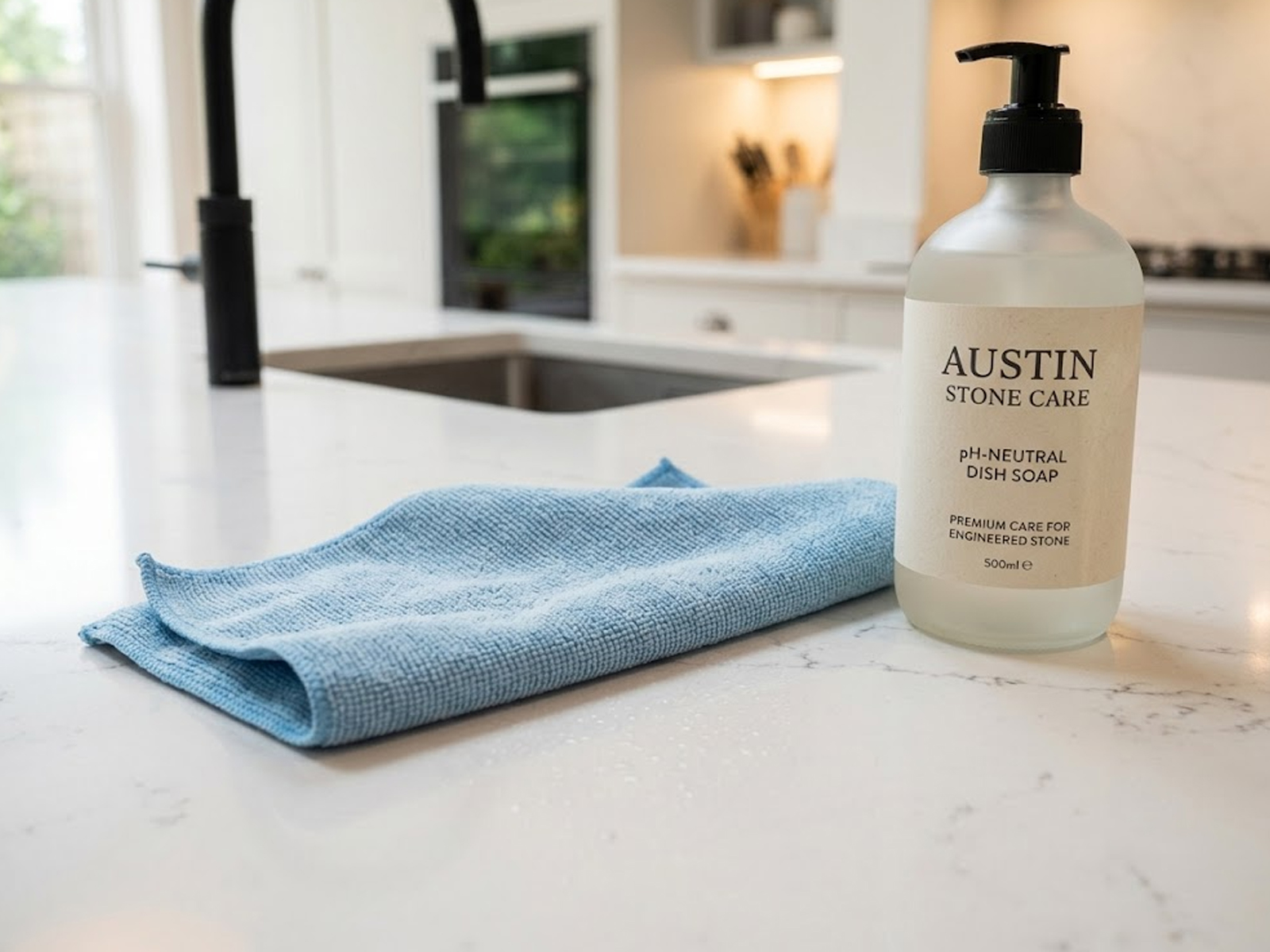
  • Daily Wiping: Always use a soft microfibre cloth combined with warm water and a pH-neutral dish soap.

  • Stubborn Stains: Apply a specialist non-abrasive quartz cleaner, allowing it to dwell briefly before gently wiping the residue away.

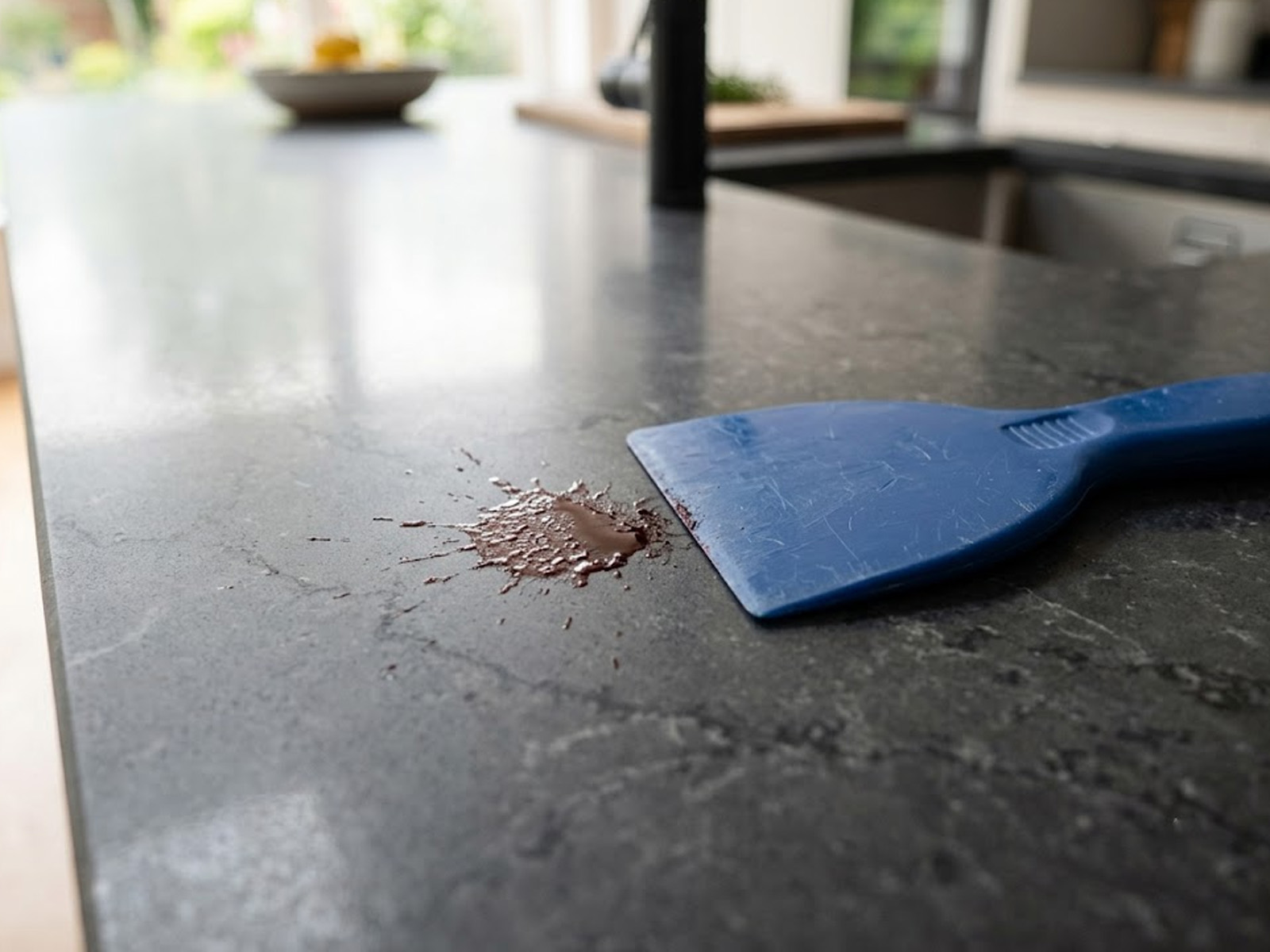
  • Dried Debris: Utilise a flexible plastic putty knife to carefully scrape off hardened food without scratching the engineered surface.

  • Strict Prohibitions: Never use household bleach, acidic descalers, or abrasive scouring pads, as these will permanently ruin the factory polish.

The Daily Routine: How to Clean Quartz Worktops Effectively

Understanding exactly how to clean quartz worktops on a daily basis ensures your bespoke kitchen surfaces retain their showroom gloss for decades. As experienced stonemasons, we constantly advise our clients that simple, consistent maintenance easily outperforms aggressive, reactive cleaning methods.

You should aim to wipe down your surfaces immediately after food preparation using a high-quality microfibre cloth and a mild detergent solution. This basic daily habit prevents sticky residues from hardening overnight, completely eliminating the need for intensive scrubbing the following morning.

Why Harsh Chemicals Ruin Engineered Stone

We regularly inspect failing installations where homeowners have mistakenly used aggressive supermarket multi-surface sprays on their engineered stone. These harsh, highly acidic chemicals slowly degrade the protective polymer resins binding the crushed quartz minerals together.

Once this resin degradation occurs, it leaves behind a dull, cloudy appearance that absolutely cannot be polished out or repaired on-site. When mastering how to clean quartz worktops, avoiding bleach, ammonia, and oven cleaners is the single most critical rule to follow.

A plastic putty knife resting safely on a grey quartz worktop next to a dried spill.

Tackling Stubborn Spills: How to Clean Quartz Worktops Safely

Learning how to clean quartz worktops effectively means knowing exactly how to handle dried-on grease, wine spills, and hardened culinary debris. Because engineered stone is entirely non-porous, liquids cannot penetrate the core, meaning surface stains are relatively simple to lift safely.

For stubborn, dried-on spills, spray a generous amount of specialist pH-neutral quartz cleaner onto the affected area and leave it for five minutes. This dwell time safely breaks down the molecular bonds of the grease, allowing you to wipe it away cleanly without applying heavy pressure.

Common Customer Mistakes When Removing Hardened Debris

A frequent and disastrous mistake we see on-site is clients using metal blades or abrasive scouring pads to scrape away hardened food. While quartz is exceptionally scratch-resistant, the aggressive friction from industrial scouring pads will permanently micro-scratch the polished resin surface.

Instead, you must gently ease off hardened debris using a flexible plastic putty knife, keeping the blade completely flat against the worktop. Once the bulk of the debris is carefully lifted, you can revert to your standard warm water and microfibre cleaning routine.

Preserving Your Investment and Quartz Worktops Colour

Maintaining your bespoke surface requires understanding how environmental factors interact with the engineered materials over a long period. Direct, prolonged exposure to intense UV light through unshaded windows can gradually fade the synthetic pigments mixed into the stone during manufacturing.

When selecting your ideal Quartz worktops colour, remember that darker shades often show hard watermarks more readily than lighter veined designs. You must dry the surface completely with a clean cloth immediately after washing to prevent these cloudy mineral deposits from forming.

Protecting Your Bespoke Surfaces from Thermal Shock

While proper cleaning routines protect the polish, extreme thermal shock poses the greatest structural threat to your engineered kitchen surfaces. Placing boiling pans directly onto the cold stone can cause the resin binders to instantly scorch, or worse, fracture the slab entirely.

For a comprehensive understanding of the material’s limitations, we strongly recommend reading our guide on The Honest Pros and Cons of Quartz Kitchen Worktops. Always use heavy-duty trivets or integrated stainless steel hot rods to keep intense heat safely away from the engineered stone.

Professional Fabrication and Easy Maintenance

The true secret to easily managing how to clean quartz worktops starts long before the stone is ever fitted into your property. Millimetre-precise digital templating ensures that the joints connecting your bespoke slabs are incredibly tight, seamless, and perfectly levelled.

Poorly fabricated joints quickly become unhygienic traps for crumbs, moisture, and bacterial growth, making your daily cleaning routine incredibly frustrating. Our in-house CNC cutting technology guarantees flawless joint alignment, ensuring a completely flat, hygienic surface that is effortless to wipe down.

Safe Manufacturing Standards and UK Regulations

Our fabrication facility strictly adheres to the latest workplace safety protocols established by the gov.uk Health and Safety Executive regarding silica dust. Managing this hazardous dust properly requires advanced water-jet machinery and heavy industrial air filtration systems.

This rigorous commitment to health and safety ensures our stonemasons are protected while they meticulously craft your bespoke surfaces. It also guarantees that the final polished slabs arriving at your home are completely uncontaminated and structurally flawless.

Comparing Maintenance: Quartz vs Natural Granite

To fully appreciate how to clean quartz worktops, it is highly beneficial to benchmark the routine against traditional natural granite installations. The table below outlines the distinct maintenance requirements and fabrication characteristics of these two premium kitchen materials.

Maintenance FactorEngineered QuartzNatural Granite
Porosity100% Non-PorousNaturally Porous
Sealing RequiredNeverAnnually (Chemical Sealant)
Daily CleaningpH-neutral soap & waterSpecialist stone soap
Stain VulnerabilityVery Low (Resists wine/acids)High (Requires immediate wiping)


Securing Premium Bespoke Installations with Austin

Partnering with a dedicated fabrication specialist guarantees you receive a flawless installation that is incredibly easy to maintain long-term. By managing the entire process internally, we completely bypass expensive retail showrooms and eliminate costly middleman markups.

You can explore our extensive expertise and track record of precision engineering directly by visiting Austin Laminate Countertops. Our direct-to-consumer model ensures you receive breathtaking bespoke surfaces crafted to strict tolerances at a highly competitive price point.

Get Your Accurate Fabrication Quote Today

Stop relying on estimates and secure a transparent, highly accurate quotation tailored to your exact kitchen dimensions and design requirements. Our expert team will provide a detailed breakdown covering professional digital templating, in-house fabrication, and seamless final fitting.

Submit your kitchen plans today by requesting a Free Quote through our secure portal. Let our master stonemasons deliver a pristine, low-maintenance kitchen surface that will withstand decades of heavy daily use.
The Honest Pros and Cons of Quartz Kitchen Worktops

When evaluating the pros and cons of quartz worktops, property owners must weigh superior daily durability against strict installation requirements and upfront fabrication costs.

  • Pros: Highly non-porous structure ensuring extreme stain resistance, zero requirement for annual chemical sealing, and flawless design uniformity across multiple slabs.

  • Cons: Vulnerable to extreme heat damage due to the polymer resin binder, strictly unsuitable for outdoor UV exposure, and requires reinforced cabinetry due to immense weight.

  • Verdict: Engineered stone remains the premier investment for busy UK kitchens requiring low-maintenance longevity, provided precise templating and levelling tolerances are strictly met.

Understanding the Primary Pros and Cons of Quartz Worktops

Analysing the true pros and cons of quartz worktops requires looking beyond showroom aesthetics and understanding how the engineered material performs in an active kitchen. As experienced stonemasons, we see exactly how these surfaces handle the daily impact of heavy pans, acidic spills, and constant cleaning routines.

While the composite nature of the stone provides incredible structural integrity, it is not completely indestructible if subjected to improper care. Knowing the precise limitations of the material ensures you can maintain its factory-finished sheen for decades without requiring costly professional repairs.

The Exceptional Durability of Engineered Stone

Engineered stone is manufactured by combining roughly 90% natural crushed quartz minerals with advanced polymer resins and pigments under intense pressure. This industrial process creates an incredibly dense surface that easily resists the scratches and chips commonly associated with softer stones like marble.

Because the surface is entirely non-porous, everyday spills like red wine, coffee, or acidic lemon juice cannot penetrate the material’s core. You simply wipe away the mess with a damp cloth, making it highly hygienic and exceptionally easy to maintain in a high-traffic family environment.

Why Heat Resistance is a Major Consideration

One of the most critical pros and cons of quartz worktops relates directly to how the material reacts to sudden thermal shock. While the natural stone minerals within the slab are highly heat resistant, the polymer resins binding them together can scorch or melt at high temperatures.

Placing a boiling pan directly from the hob onto the surface can cause permanent white scorch marks or even cause the slab to crack. We always instruct our clients to use protective trivets or integrated stainless steel hot rods to protect their bespoke surfaces from thermal damage.

Evaluating the Pros and Cons of Quartz Worktops in Daily Use

Daily maintenance is a massive factor when homeowners weigh the pros and cons of quartz worktops for their upcoming renovation projects. Unlike natural porous stones that demand strict maintenance schedules, engineered surfaces are designed for the modern, fast-paced household where convenience is paramount.

You will never need to apply toxic chemical sealants or specialist waxes to maintain the highly polished finish of your bespoke kitchen surface. A simple routine using warm water and a mild, non-abrasive pH-neutral detergent is entirely sufficient to keep the installation looking completely flawless.

Maintenance Demands Compared to Natural Granite

When comparing materials, the lack of required sealing gives engineered stone a massive advantage over traditional natural granite installations. Natural granite requires periodic chemical sealing to prevent bacteria and liquids from seeping into its naturally occurring microscopic pores and fissures.

Homeowners who forget this crucial maintenance step often face stubborn, deeply ingrained stains that require professional poultice treatments to safely remove. Engineered surfaces completely bypass this frustrating maintenance loop, offering absolute peace of mind for busy families who want a hygienic food preparation area.

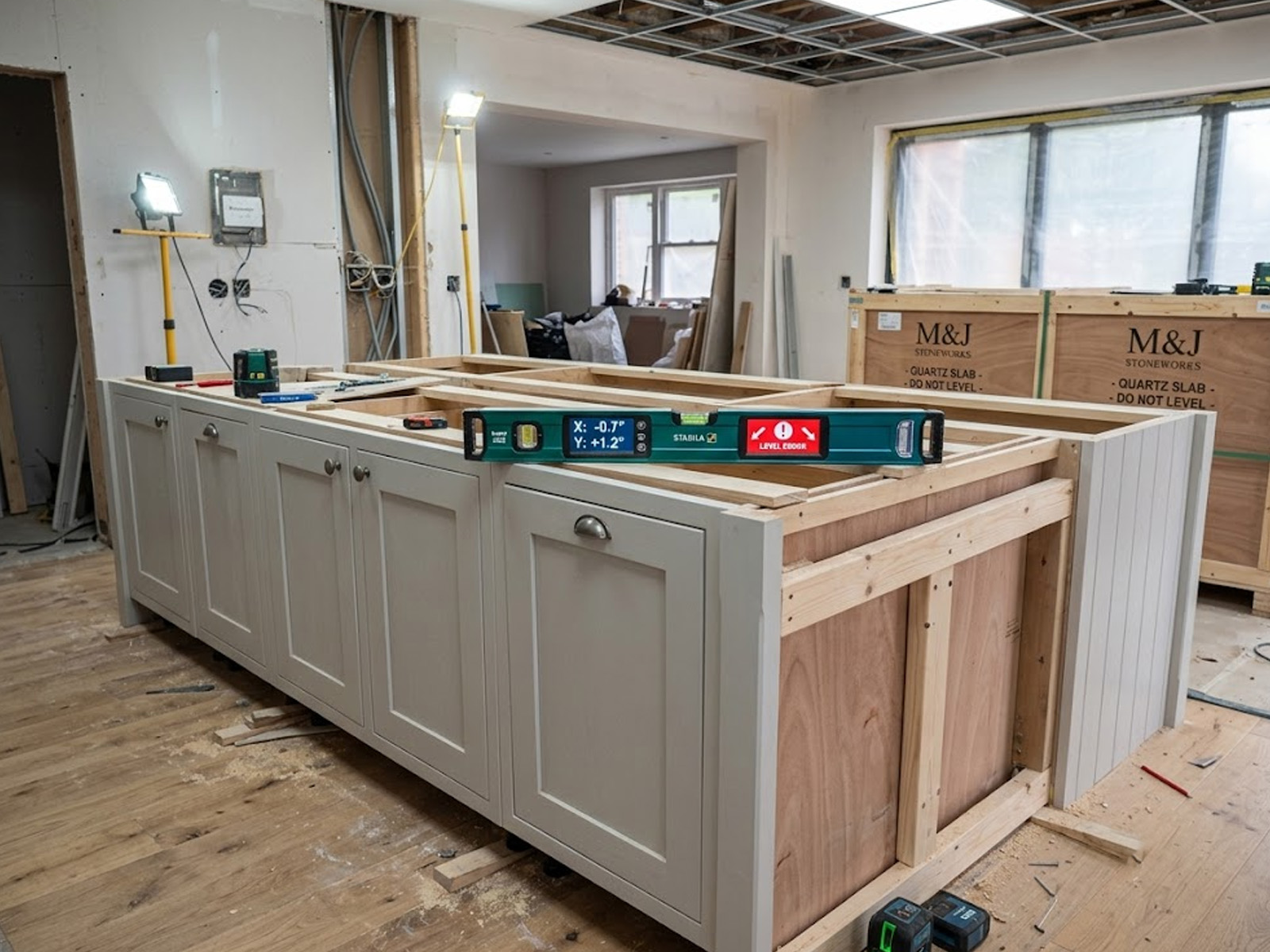
A digital spirit level measuring wooden base cabinets to ensure a flat surface for heavy stone worktops.

Fabrication Challenges: The Hidden Pros and Cons of Quartz Worktops

The fabrication process itself reveals several distinct pros and cons of quartz worktops, particularly regarding the sheer weight and rigidity of the material. Because the stone is exceptionally heavy, it requires robust structural support from the base units to prevent stress fractures occurring over time.

Furthermore, precise digital templating is absolutely non-negotiable; there is zero room for error once the slab reaches our water-jet CNC machines. We measure to strict millimetre tolerances, ensuring complex corner joints, recessed sink cutouts, and bespoke tap holes align perfectly within the final layout.

Why Perfectly Level Base Cabinets are Critical

One of the most common mistakes customers make during kitchen renovations is failing to ensure their base cabinetry is completely true and level. If an immense slab of rigid stone is placed onto uneven cabinets, the uneven weight distribution creates microscopic tension points across the surface.

Over time, this hidden structural stress can cause the worktop to suddenly crack, completely ruining the bespoke installation and requiring a full replacement. We strictly mandate that all supporting units are laser-levelled before our installation team arrives to seamlessly fit your final manufactured pieces.

Design Flexibility and Customisation Options

The aesthetic versatility of engineered stone is a dominant factor when discussing the pros and cons of quartz worktops with interior designers. Because the manufacturing process is highly controlled, fabricators can dictate exact pigment mixtures to achieve a flawless, consistent aesthetic across multiple vast slabs.

If you are looking for specific Quartz worktops colour variations, the engineered nature of the material provides an almost limitless palette. From stark industrial concretes to intricate, marble-mimicking veins, you can match your surfaces perfectly to your bespoke cabinetry and lighting design.

Consistency in Veining and Pattern Matching

Unlike natural stone, where unpredictable mineral deposits can disrupt a design, engineered slabs offer predictable pattern consistency for large kitchen islands. This predictability is vital when creating seamless joints, allowing our stonemasons to carefully match the intricate veining across different sections of the layout.

This flawless visual flow creates a highly luxurious, uninterrupted aesthetic that is incredibly difficult to achieve perfectly with wildly unpredictable natural granite slabs. It ensures the final focal point of your kitchen looks like one continuous, breathtaking piece of monolithic luxury stone.

Cost Analysis: Weighing the Pros and Cons of Quartz Worktops

Financial investment is always the deciding factor when weighing the pros and cons of quartz worktops against your total renovation budget. While the initial supply and fit costs are higher than standard laminate, the decades of unparalleled longevity provide exceptional long-term value.

To understand exact fabrication and installation figures, you should review our comprehensive guide on quartz worktop prices uk, which breaks down the specific costs. Proper budgeting ensures you can afford the necessary millimetre-precise templating and professional CNC fabrication required for a flawless final finish.

Why Direct Fabrication Provides the Best Value

Securing the best value for your bespoke project means bypassing expensive high-street retail showrooms that add massive middleman markups to the raw material. By choosing a dedicated fabrication facility that manages the entire process internally, you receive a vastly superior product at a highly competitive rate.

At Austin Laminate Countertops, our direct-to-consumer approach means we handle the digital templating, the CNC cutting, and the final installation ourselves. This streamlined process guarantees exceptional quality control, eliminates unnecessary retail margins, and ensures your surfaces are fitted with absolute engineering precision.

Material Comparison Table

To fully understand the pros and cons of quartz worktops, it is essential to benchmark the material against other popular kitchen surfaces. The table below outlines the critical differences in performance, maintenance, and fabrication requirements across the three most common bespoke worktop choices.

FeatureEngineered QuartzNatural GraniteHigh-Pressure Laminate
PorosityCompletely Non-PorousNaturally Porous (Requires Sealing)Non-Porous Surface
Heat ResistanceModerate (Resin can scorch)Exceptionally HighLow (Easily burns/melts)
Scratch ResistanceExtremely HighVery HighModerate (Prone to gouges)
MaintenanceLow (Wipe clean only)High (Annual sealing required)Low (Wipe clean only)


Health and Safety During Quartz Worktop Fabrication

A crucial, often unseen aspect of the pros and cons of quartz worktops involves the strict health and safety protocols required during fabrication. Cutting engineered stone generates hazardous silica dust, meaning advanced water-jet machinery and industrial air filtration systems are mandatory within professional workshops.

Our facility adheres entirely to the stringent workplace safety guidelines established by the gov.uk Health and Safety Executive regarding silica-dust exposure. This rigorous commitment ensures our master stonemasons operate in a completely safe environment while delivering perfectly polished, uncontaminated surfaces to your home.

Final Verdict: Balancing the Pros and Cons of Quartz Worktops

Ultimately, the pros and cons of quartz worktops heavily favour the material for anyone seeking a luxurious, highly durable, and hygienic kitchen environment. The exceptional stain resistance and lack of maintenance easily outweigh the need to use protective trivets for your hot roasting pans.

If you are ready to transform your home with precision-engineered stone, our expert team is prepared to guide you through the entire process. Request a detailed Free Quote today to secure millimetre-precise templating, bespoke in-house fabrication, and flawless professional installation for your upcoming project.

How Much Do Quartz Worktops Cost in the UK? A 2026 Price Guide

For property owners researching quartz worktop prices uk, expect to pay between £1,200 and £3,500 for a fully supplied and fitted bespoke kitchen layout in 2026.

  • Base Material Costs: Entry-level slabs start at around £250 per square metre.

  • Fabrication and Fitting: CNC cutting, edge polishing, and professional installation add £400 to £800.

  • Additional Features: Upstands, draining grooves, and bespoke tap holes will increase the final figure.

  • Direct Savings: Choosing a direct-to-consumer fabricator completely eliminates expensive middleman markups.

Decoding Quartz Worktop Prices UK for Modern Kitchens

Understanding quartz worktop prices uk requires looking beyond the raw slab cost to account for bespoke fabrication and fitting. Every custom kitchen project demands exacting precision to ensure the final surface is both highly functional and aesthetically flawless.

As experienced stonemasons, we see firsthand how specific design choices directly influence the final quotation you receive. Intricate edge profiles, recessed sink cutouts, and complex corner layouts naturally require more machine time and skilled labour.

How Templating Precision Impacts Quartz Worktop Prices UK

Precise templating is the absolute cornerstone of a flawless installation, directly impacting overall quartz worktop prices uk by eliminating costly on-site recuts. We utilise advanced digital templating tools to measure your kitchen layout down to strict millimetre tolerances.

This strict adherence to precision ensures seamless joints and a perfect fit against uneven walls. You can read more about our exacting process in our guide on kitchen worktop fabrication techniques, which highlights how accurate measurements prevent budget overruns.

Common Client Mistakes That Inflate Quartz Worktop Prices UK

One of the most frequent issues we encounter on-site is unlevel base cabinets, which can severely compromise the entire installation process. If the supporting units are not perfectly true, the rigid stone is placed under immense stress, risking fractures over time.

Furthermore, poor sink and tap hole choices made late in the process often drive up quartz worktop prices uk. Customers occasionally select materials unsuitable for their heavy-use lifestyle, leading to premature wear, staining, and unexpected maintenance costs.

Navigating Material Specifications and Quartz Worktop Prices UK

Selecting the correct thickness and grade of stone is vital for balancing durability with your acceptable quartz worktop prices uk. We always advise clients on the structural differences between 20mm and 30mm profiles based on their specific cabinetry support constraints.

Upgrading to a thicker profile or adding matching upstands adds structural integrity but requires an adjusted project budget. Using robust materials ensures your bespoke surfaces withstand daily culinary impacts without cracking, chipping, or failing.

cnc-quartz-fabrication-precision

Comparing Quartz Worktop Prices UK Against Other Stones

When evaluating quartz worktop prices uk, it is incredibly helpful to benchmark the costs against other premium materials like natural granite. Each material presents unique fabrication challenges that dictate the final supply and fit charges from the stonemason.

Our in-house fabrication facility handles various stone types, allowing us to maintain strict quality control throughout the build. The table below outlines the general price differences you can expect for typical bespoke kitchen layouts in 2026.

Material TypeAverage Cost (Per Sq Metre)Key Fabrication Characteristics
Entry-Level Quartz£250 – £350Consistent patterns, relatively straightforward to CNC cut.
Premium Granite£300 – £450Natural variations, requires careful and strategic templating.
Luxury Quartz£400 – £600Intricate veining, requires complex seamless joint matching.


Health Regulations and Their Effect on Quartz Worktop Prices UK

Modern fabrication must adhere strictly to workplace safety regulations, which can subtly influence overall quartz worktop prices uk. Managing silica dust during the cutting and polishing phases requires heavy investment in advanced water-jet machinery and air filtration systems.

Our facility complies completely with the latest standards outlined by the gov.uk Health and Safety Executive regarding silica exposure. This strict commitment to safety protects our stonemasons while guaranteeing a premium, uncontaminated finish for your home.

Why Direct Fabrication Lowers Quartz Worktop Prices UK

Bypassing traditional retail showrooms is the most effective way to secure highly competitive quartz worktop prices uk. Because we handle every single step from digital templating to final installation, we completely eliminate costly middleman markups.

You can seamlessly explore our extensive range of bespoke Quartz worktops directly through our dedicated platform. This streamlined, direct-to-consumer approach guarantees exceptional value without compromising on the millimetre precision of the final fit.

Securing the Best Quartz Worktop Prices UK with Austin

Finding transparent and reliable quartz worktop prices uk is remarkably simple when you partner with a trusted, experienced fabricator. We pride ourselves on delivering bespoke kitchen surfaces that marry breathtaking aesthetics with unparalleled, long-lasting durability.

For more information on our wider catalogue of surfaces, visit Austin Laminate Countertops to see how our hands-on expertise extends across various premium materials. We guarantee precise templating, seamless joints, and a flawless installation every single time.

Get Your Accurate Quartz Worktop Prices UK Today

Stop guessing about your upcoming renovation budget and get exact quartz worktop prices uk tailored to your specific kitchen dimensions. Our in-house team is ready to provide a comprehensive breakdown covering templating, bespoke fabrication, and professional fitting.

Book your home visit or submit your kitchen plans today by requesting a Free Quote through our secure online portal. Let our expert stonemasons transform your kitchen with guaranteed precision and highly competitive pricing.

Frequently Asked Questions

What is the average cost of a quartz worktop in the UK? For a standard kitchen, the average cost ranges between £1,200 and £3,500, which typically includes bespoke fabrication, templating, and professional fitting.

Does templating increase the cost of my worktops? Templating is usually factored into the final quote. While it involves a skilled technician visiting your property, it saves money by ensuring absolute precision and avoiding expensive remakes.

Are thicker quartz profiles more expensive? Yes, a 30mm quartz profile will cost more than a 20mm profile due to the increased volume of material and the heavier lifting required during transport and installation.

Can I install quartz worktops myself to save money? We strongly advise against DIY installation. Quartz is exceptionally heavy, and without professional handling and precise levelling, you risk cracking the stone or voiding the manufacturer’s warranty.