Silestone vs Caesarstone: A Comparison of Premium Quartz Brands

When comparing Silestone vs Caesarstone for your kitchen renovation, both premium brands offer exceptional durability, but they cater to slightly different design priorities.

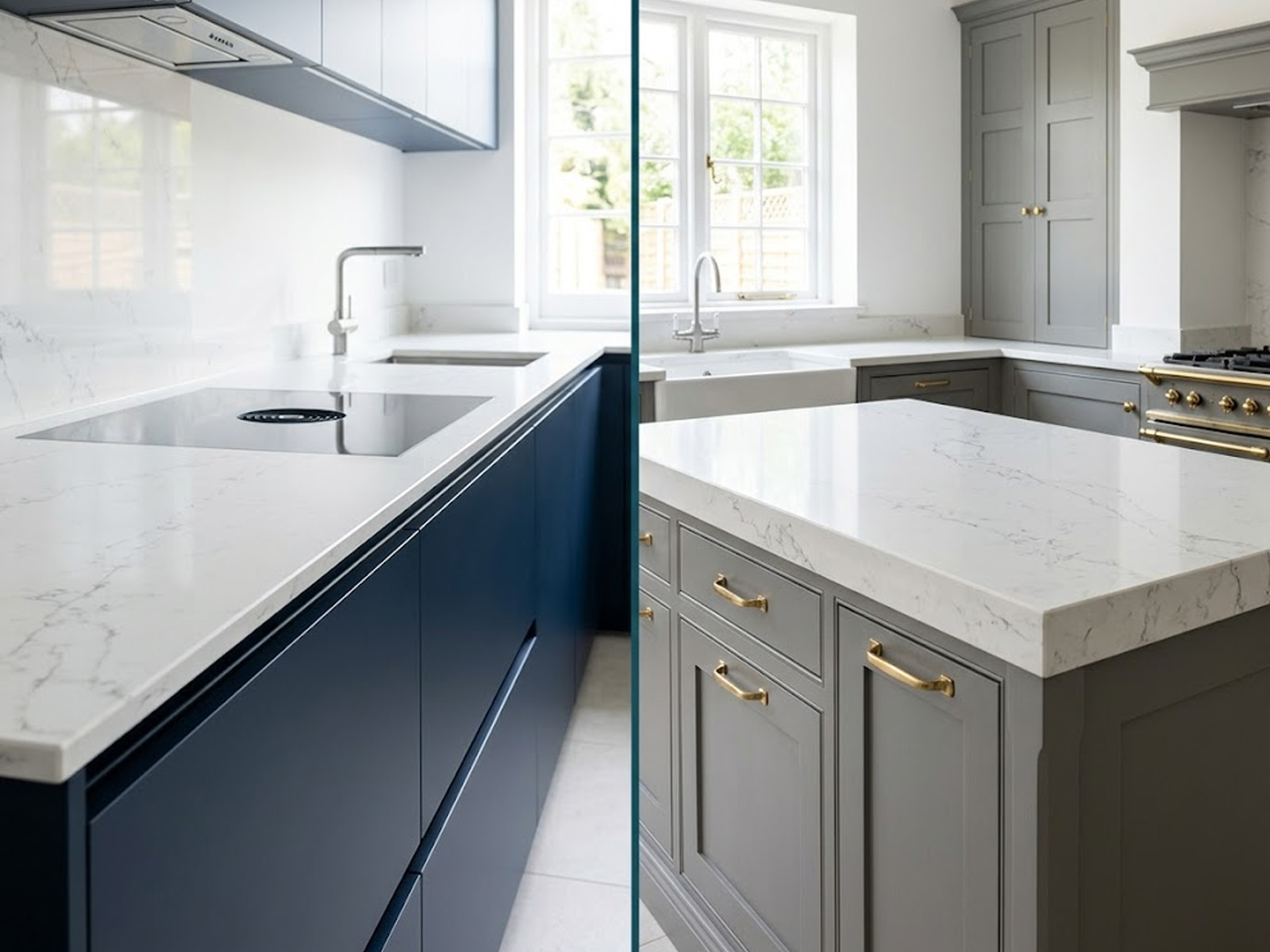
  • Silestone: Manufactured by Cosentino, featuring innovative HybriQ+ technology with recycled content, a massive range of colours, and three distinct surface textures (polished, suede, and volcano).

  • Caesarstone: Renowned for pioneering engineered quartz, offering incredibly realistic natural marble-effect patterns, industrial concrete aesthetics, and superior tactile finishes.

  • Verdict: Choose Silestone if you want advanced eco-friendly technology and versatile textures, or select Caesarstone if your priority is achieving the absolute pinnacle of realistic, organic veining.

Fabricator Insights on Silestone vs Caesarstone

Deciding between Silestone vs Caesarstone requires looking beyond marketing brochures and assessing how these heavy slabs perform under the CNC cutting blade. As experienced stonemasons, we handle both premium materials daily in our specialised workshop.

We template every custom kitchen layout to strict millimetre tolerances, ensuring a seamless fit against your walls. Both brands utilise high-pressure compression techniques to eliminate internal air pockets, producing structurally dense slabs that resist cracking.

However, the slight differences in their synthetic binder formulations can subtly affect how the edges respond to custom profiling. Achieving a perfectly smooth pencil or bullnose edge requires our team to calibrate our wet-cutting speeds with absolute precision.

The Technological Battle: Cosentino HybriQ+ vs Caesarstone Pioneering

The manufacturing science of Silestone vs Caesarstone highlights two completely different approaches to modern stone engineering. Silestone utilises Cosentino’s proprietary HybriQ+ technology, which significantly alters the composition of the slab.

This advanced process replaces a large portion of crystalline silica with a blend of premium recycled minerals and glass. This eco-friendly shift helps fabricators comply with strict occupational health rules while maintaining the material’s legendary scratch resistance.

Conversely, Caesarstone continues to refine the traditional vibro-compression method they pioneered in the late 1980s. Their slabs maintain a highly consistent ratio of natural quartz aggregates to polymer resins, ensuring outstanding structural rigidity across vast spans.

Environmental Impact and Workplace Safety

Workplace safety is a major factor in the UK stone industry, particularly regarding the control of hazardous crystalline silica dust. Cutting dense engineered materials demands strict adherence to wet-processing techniques to protect workshop staff.

At our modern facility, we operate in complete compliance with the occupational safety guidelines enforced by the gov.uk Health and Safety Executive. Silestone’s HybriQ+ slabs, with their reduced silica content, represent a progressive step forward for workplace safety.

Furthermore, utilising recycled water and renewable energy during the manufacturing phases makes Silestone highly appealing to eco-conscious homeowners. Caesarstone has also adapted, introducing low-silica product lines to meet evolving global environmental standards.
Silestone-Suede-Texture-Macro

Comparing Aesthetics: Textures, Colours, and Veining

When clients compare silestone vs caesarstone in our showroom, their final decision usually comes down to visual texture. Both brands excel at mimicking natural stone, but they achieve their looks through different aesthetic styles.

Silestone is highly celebrated for its diverse texture options, offering polished, suede (matte), and volcano (rugged) finishes. This variety allows you to customise the tactile experience of your Bespoke quartz worktops to match your cabinetry.

Caesarstone, meanwhile, is widely regarded as the industry master of organic, irregular veining patterns and realistic concrete finishes. Their supernatural collection captures the chaotic beauty of raw quarried marble without any of its frustrating structural weaknesses.

Suede Finish vs Concrete Matte Textures

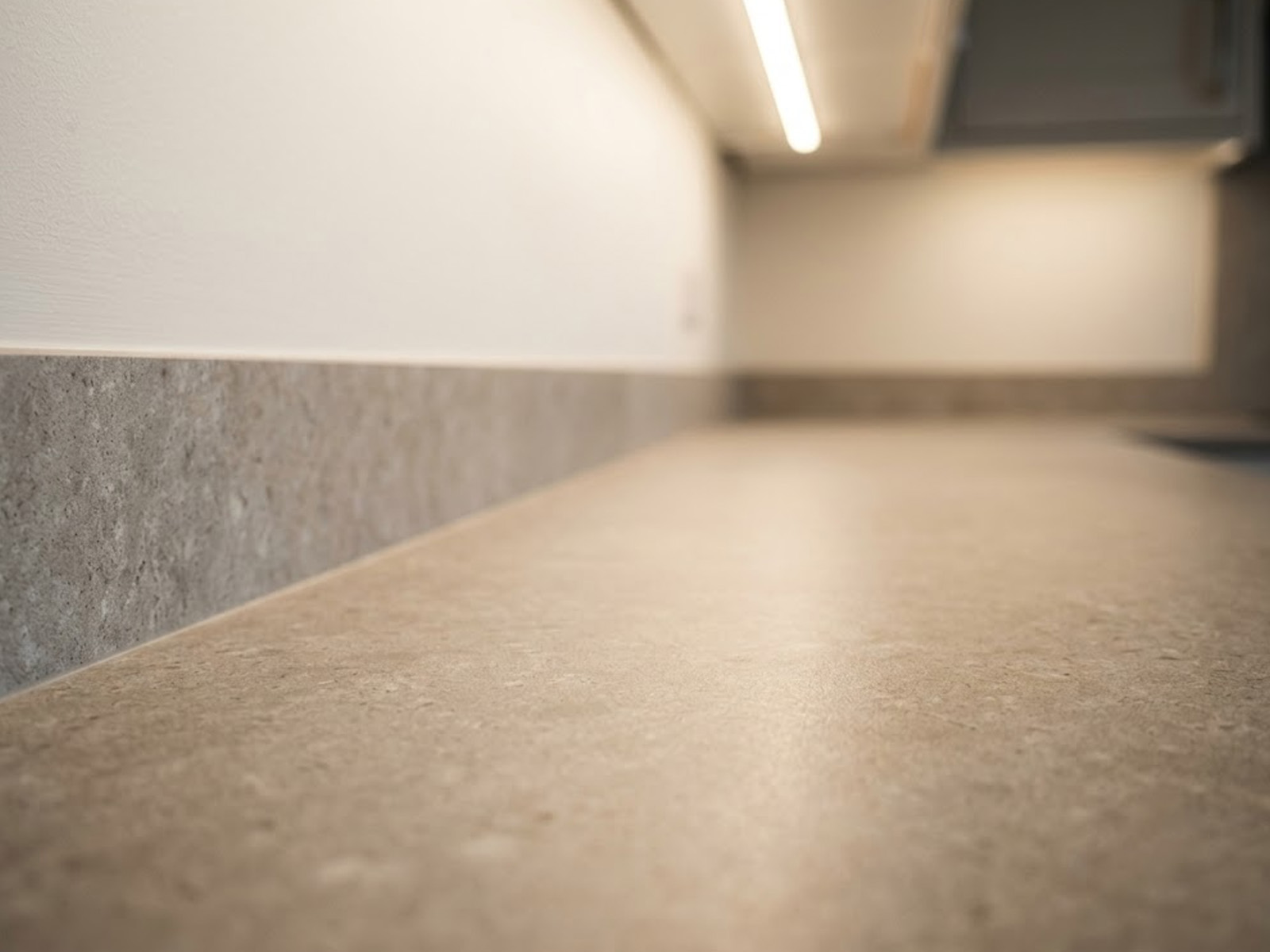
Silestone’s Suede texture is an exceptionally smooth, soft-touch matte finish that behaves beautifully under warm under-cabinet LED lighting. It diffuses light gently, preventing the harsh, glaring reflections often associated with highly polished kitchen surfaces.

Caesarstone’s matte and concrete finishes offer a slightly more textured, raw tactile feel that perfectly complements modern industrial spaces. However, these organic textures require a slightly more frequent cleaning routine to keep grease smudges at bay.

Durability and Daily Maintenance Realities

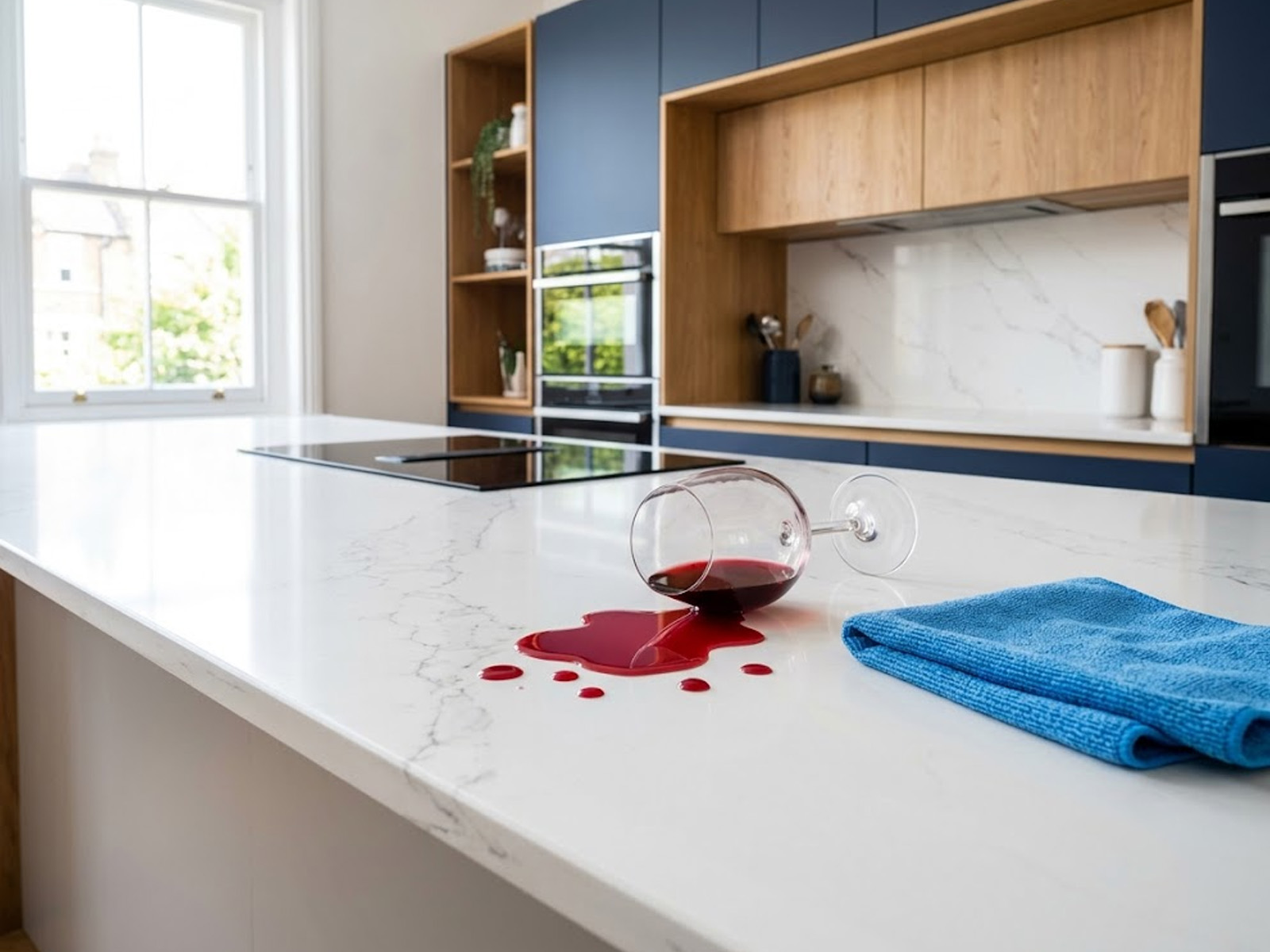
Evaluating the daily resilience of Silestone vs Caesarstone reveals that both premium brands easily outperform natural granite and marble. Their non-porous surfaces ensure that spilt wine, lemon juice, or coffee cannot penetrate the core to cause staining.

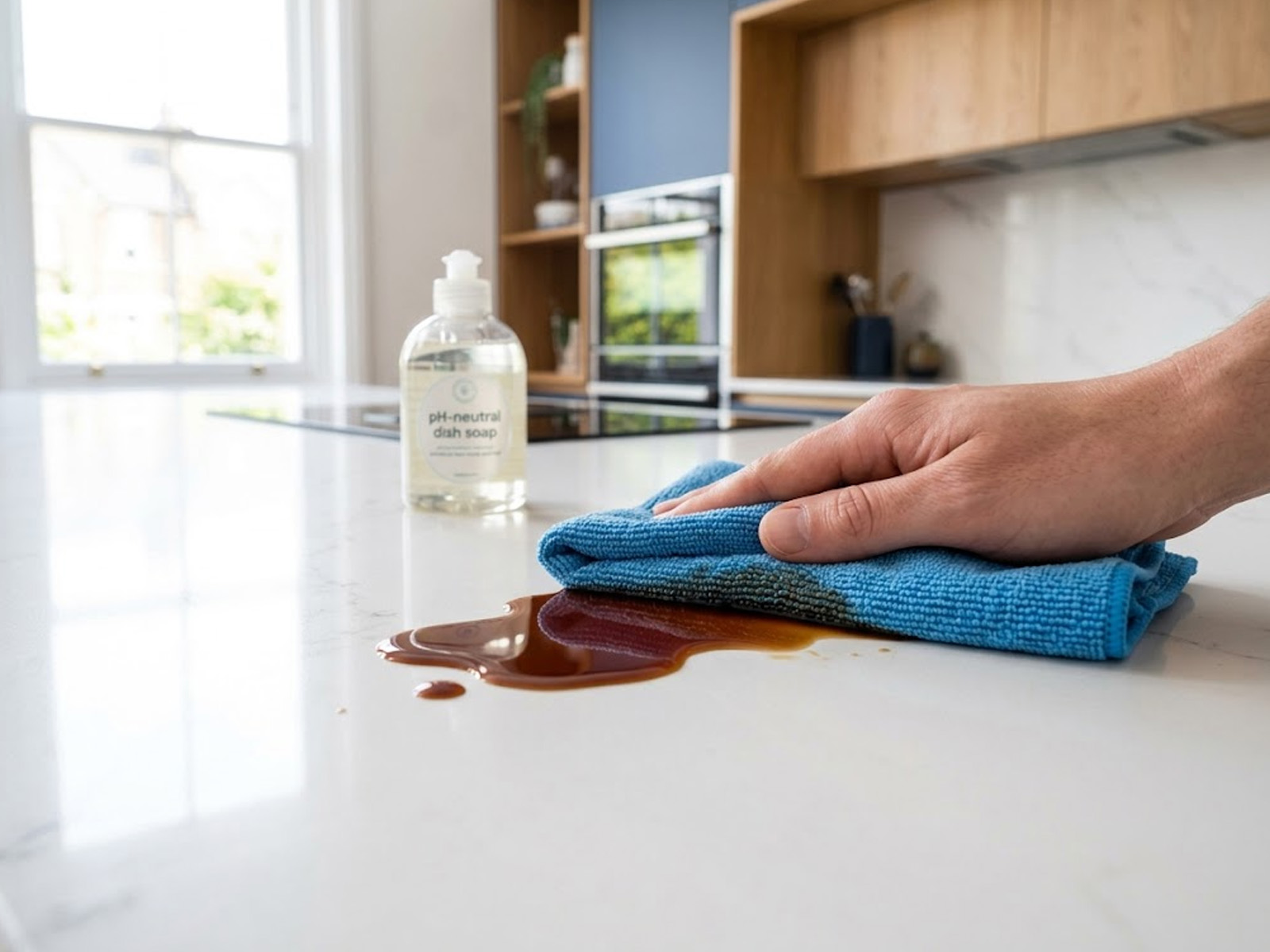
Because both materials are bound with synthetic resins, they require absolutely no annual chemical sealing or specialist waxing. A simple routine using warm water and a mild, pH-neutral dish soap is entirely sufficient to keep them looking pristine.

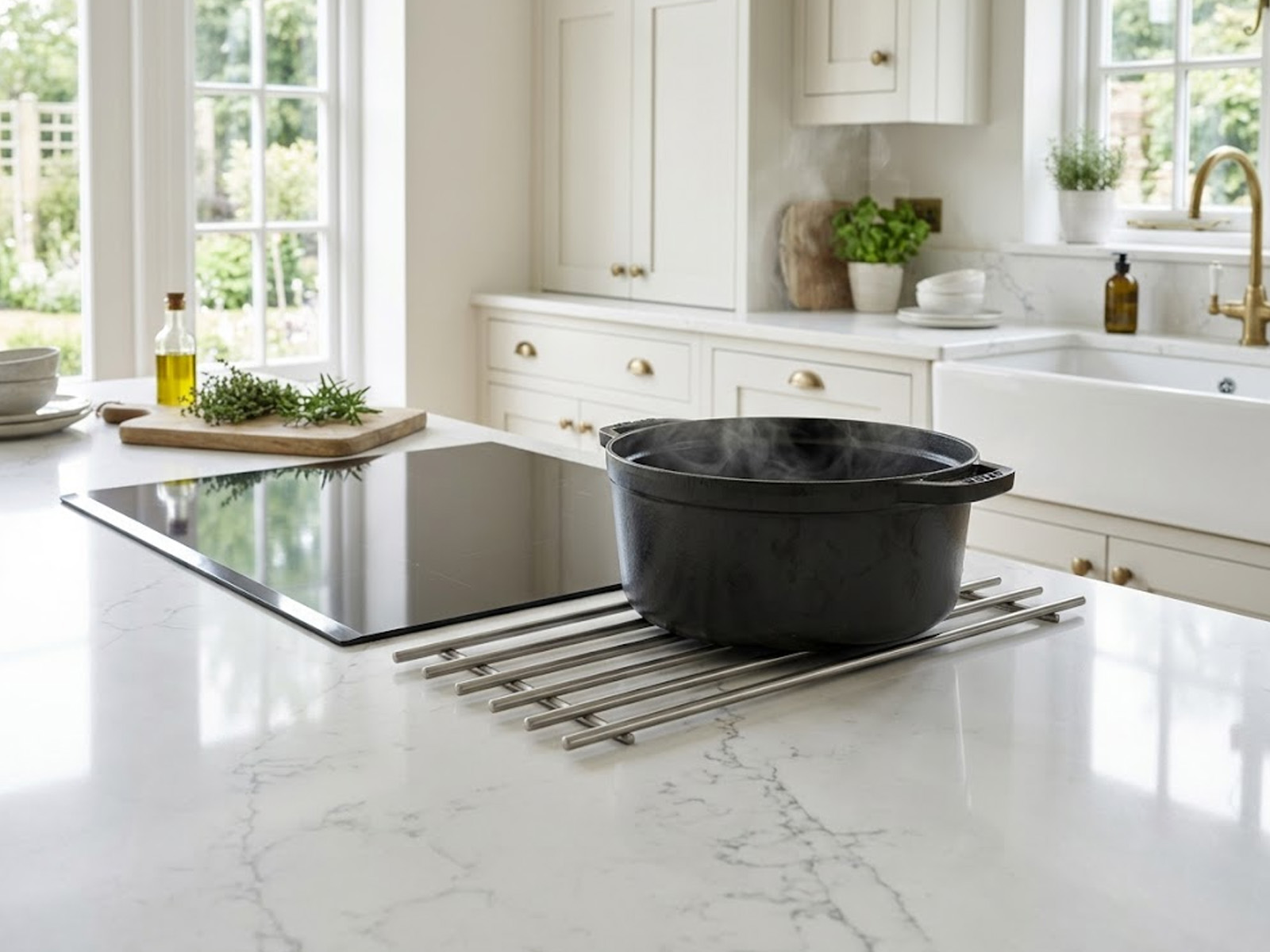
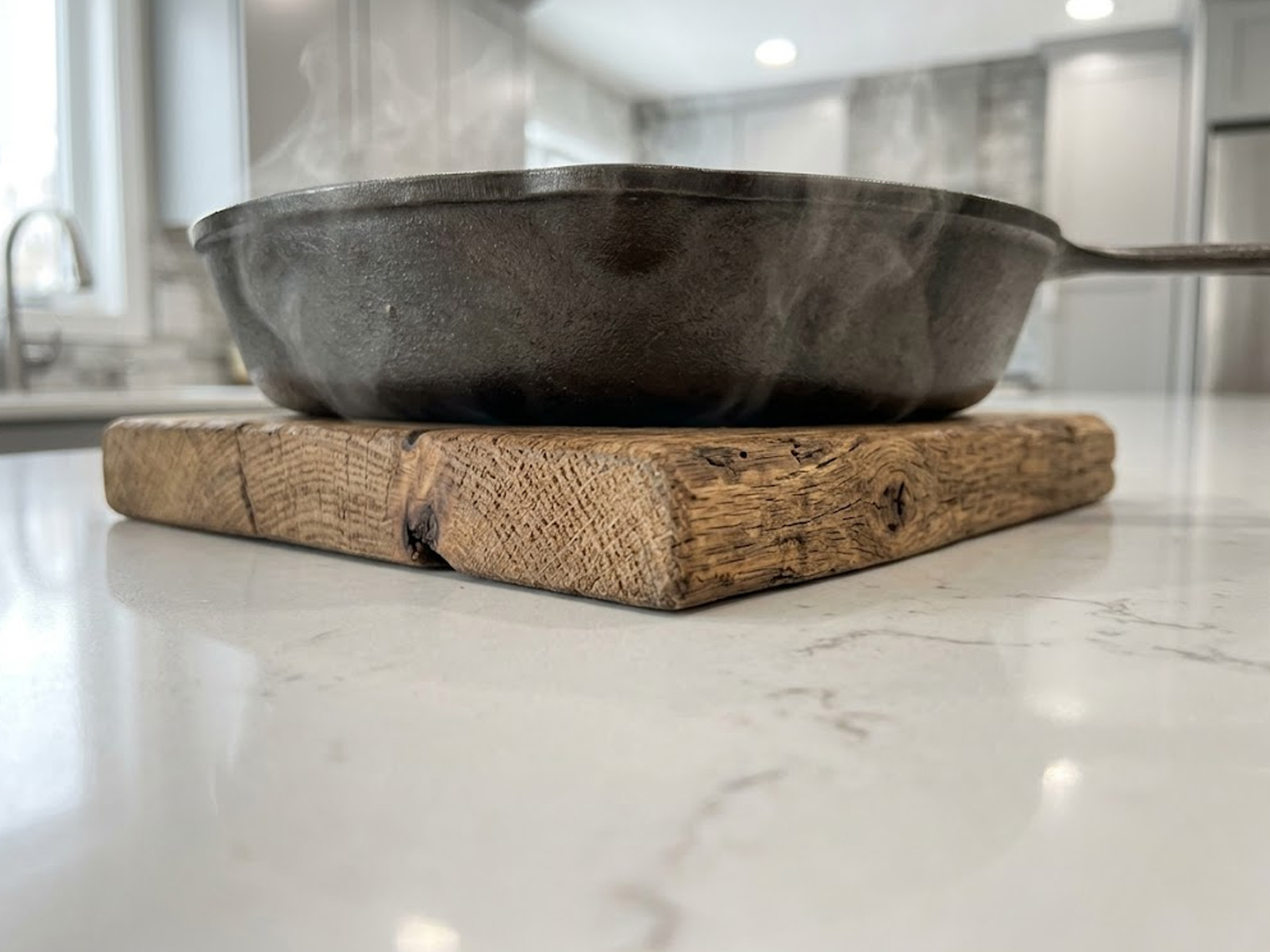
However, neither brand is completely heat-proof, as extreme thermal shock can scorch or crack the internal polymer binders. To protect your worktops, always use protective wooden trivets or integrated metal rails near your cooking hob.

Dealing with Stubborn Food Spills Safely

A common mistake homeowners make is using abrasive scouring powders or metal blades to scrape away dried-on grease. These aggressive cleaning tools can micro-scratch the polished surface, permanently dulling the stone’s factory finish.

For safe, stonemason-approved cleaning tips, check out our guide on how to clean quartz worktops. Using the correct cleaning methods preserves the beautiful sheen of your worktops for decades.

Cost Analysis: Silestone vs Caesarstone Investment

Analysing the budget required for Silestone vs Caesarstone reveals that both occupy the premium tier of the UK market. The final price of your project is heavily influenced by the specific design collection and material thickness you select.

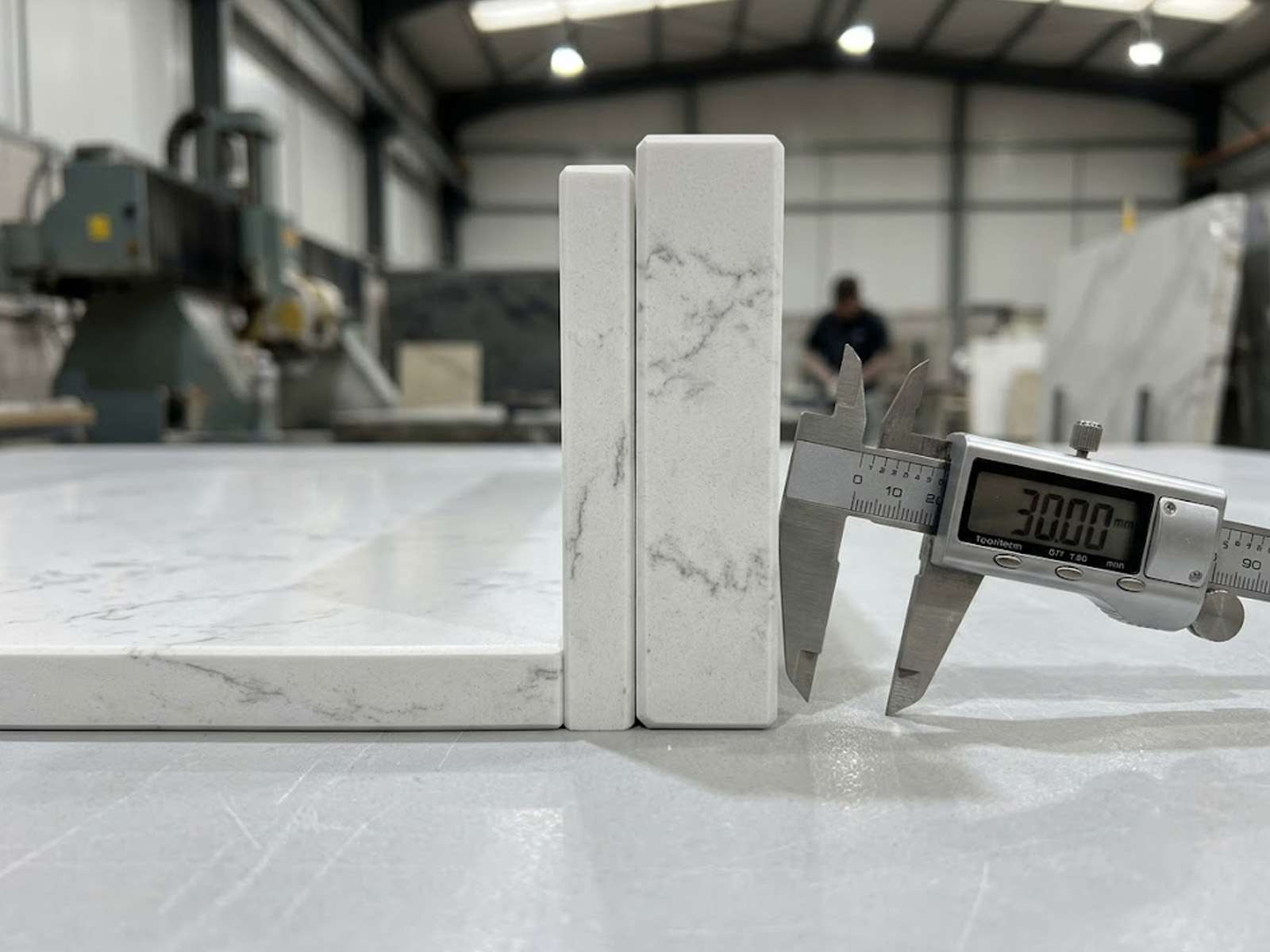
Choosing between 20mm and 30mm profiles will also alter your total material costs and structural support requirements. For a detailed cost breakdown of stone renovations, refer to our comprehensive article on Quartz Worktop Costs in the UK.

Feature ComparisonSilestone Quartz SlabsCaesarstone Quartz Slabs
Silica FormulationHybriQ+ (Reduced silica content)Traditional & Low-Silica options
Surface TexturesPolished, Suede, VolcanoPolished, Honed, Concrete, Rough
Warranty Length25-Year transferable warrantyLifetime residential warranty
Material Thicknesses12mm, 20mm, 30mm13mm, 20mm, 30mm


Bypassing High-Street Showroom Markups

Securing the best value for your chosen premium brand means avoiding expensive retail showrooms that inflate prices with massive middlemen margins. Because we handle every single step internally, we can offer highly competitive pricing structures on all premium stones.

At Austin Laminate Countertops, our direct-to-consumer approach means we manage the digital templating, the CNC cutting, and the final installation. This streamlined model guarantees absolute quality control and ensures your surfaces are fitted with absolute engineering precision.

The Importance of Precise Templating and Level Cabinets

The ultimate success of your installation relies entirely on the quality of the preparation work completed before the stone arrives. Because engineered stone is incredibly heavy, it requires robust, perfectly level cabinetry to prevent future stress fractures.

If our fitting team detects that your base cabinets are unlevel, the installation cannot proceed safely. Placing rigid stone onto uneven supports creates physical tension points, which can cause the slab to crack near cutouts or joints.

We utilise advanced digital laser templating to map your kitchen layout down to strict millimetre tolerances before cutting. This precise approach ensures clean, minimal joint lines and consistent overhangs across your entire cabinetry layout.

Final Verdict: Choosing Between Silestone vs Caesarstone

Ultimately, deciding between Silestone vs Caesarstone comes down to matching their unique product strengths with your personal design goals. If you prioritise eco-friendly manufacturing, diverse textures, and a 25-year warranty, Silestone is an outstanding choice.

However, if you are seeking the absolute pinnacle of realistic marble veining and tactile industrial concrete finishes, Caesarstone remains the gold standard. Both premium brands will dramatically elevate the luxury, functionality, and value of your home for decades.

Secure Your Professional Stone Estimate Today

Stop guessing about your upcoming renovation costs and get a transparent, highly accurate quotation tailored to your kitchen’s unique dimensions. Our in-house specialists are ready to guide you through thickness options, edge profiles, and colour selections.

Submit your kitchen plans or dimensions today and schedule your professional digital laser survey by requesting a Free Quote through our secure portal. Let our master stonemasons transform your kitchen with guaranteed engineering precision and direct-to-consumer value.
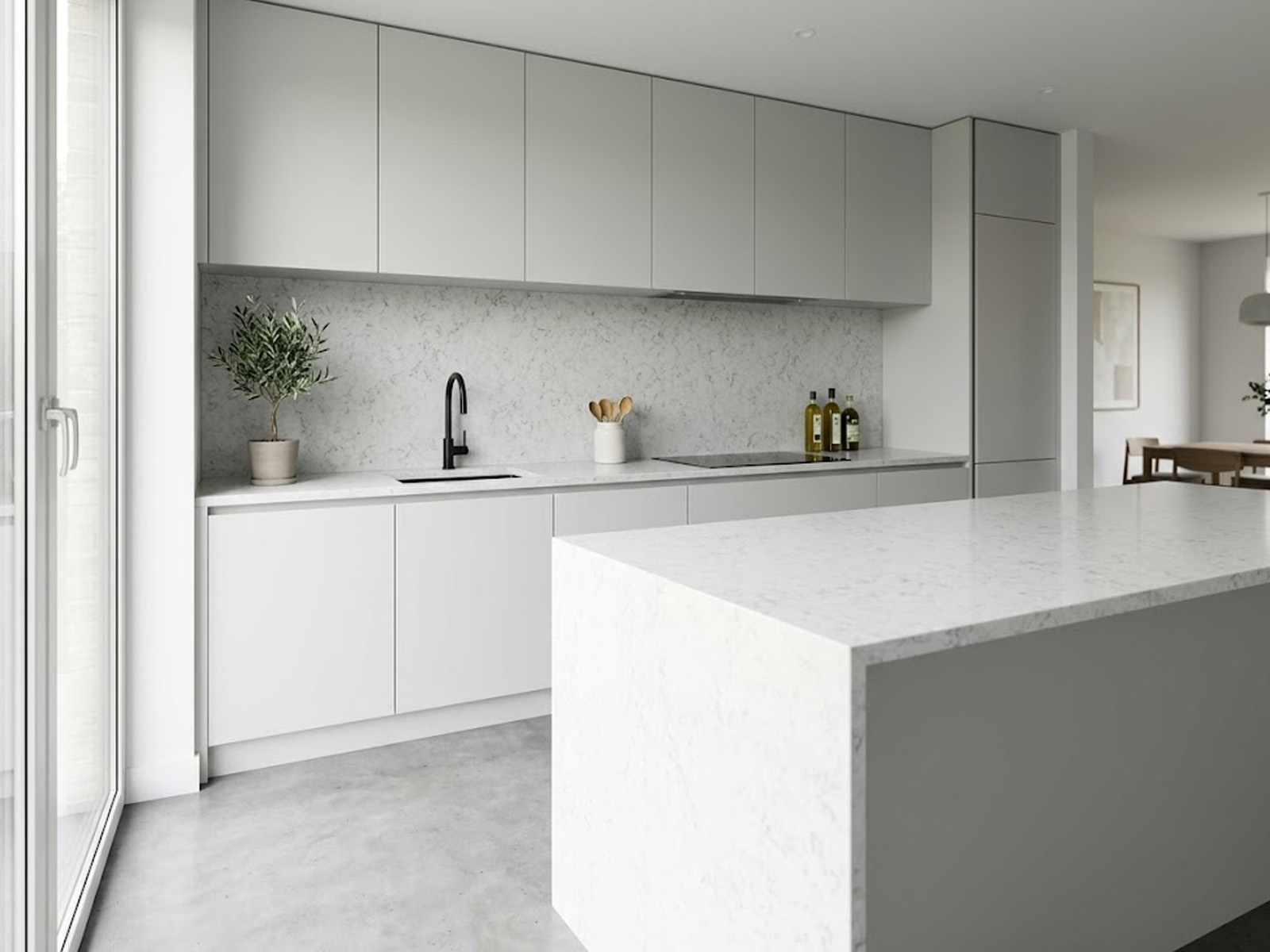
Are Joints Visible on Quartz Worktops?

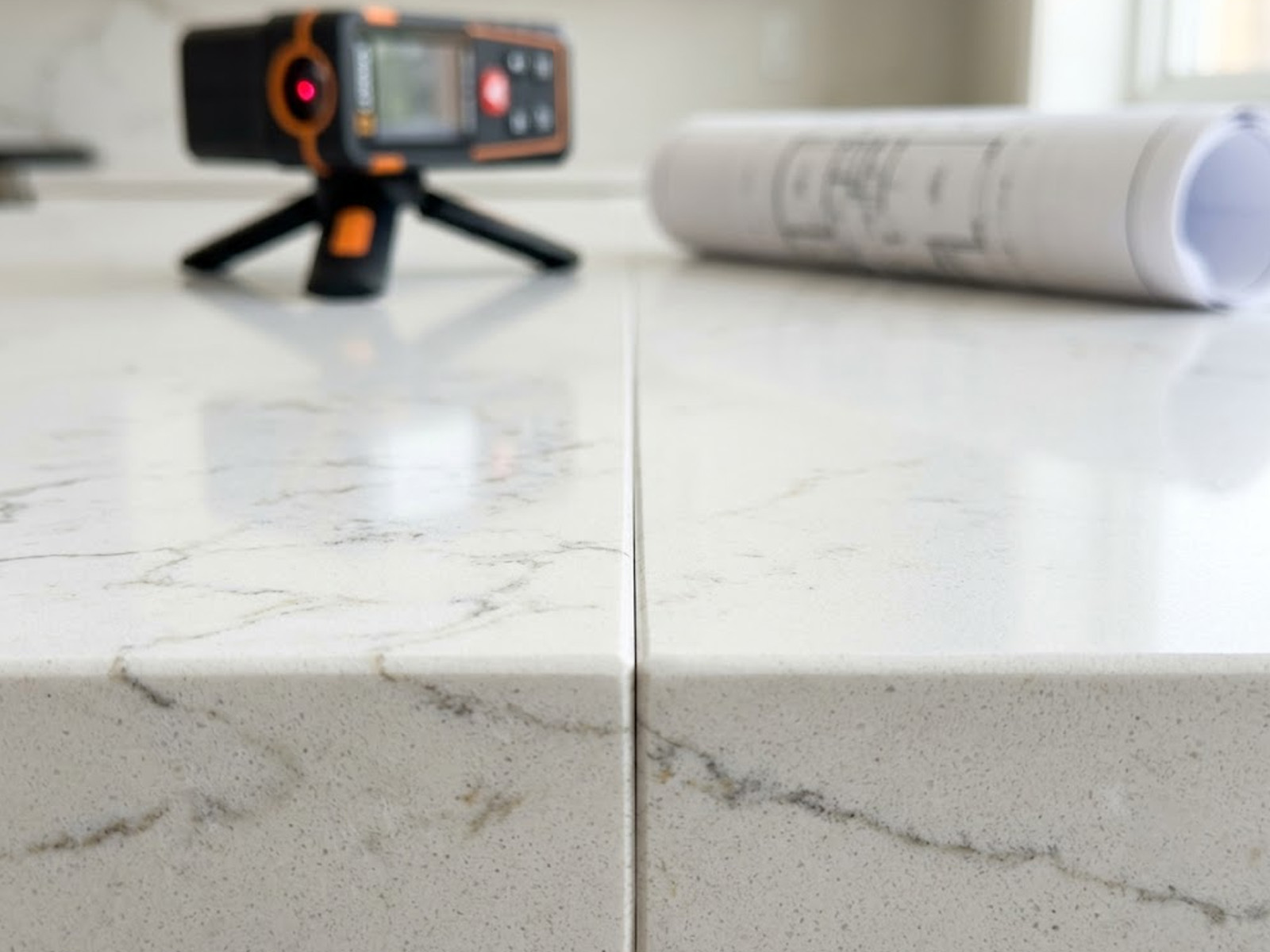
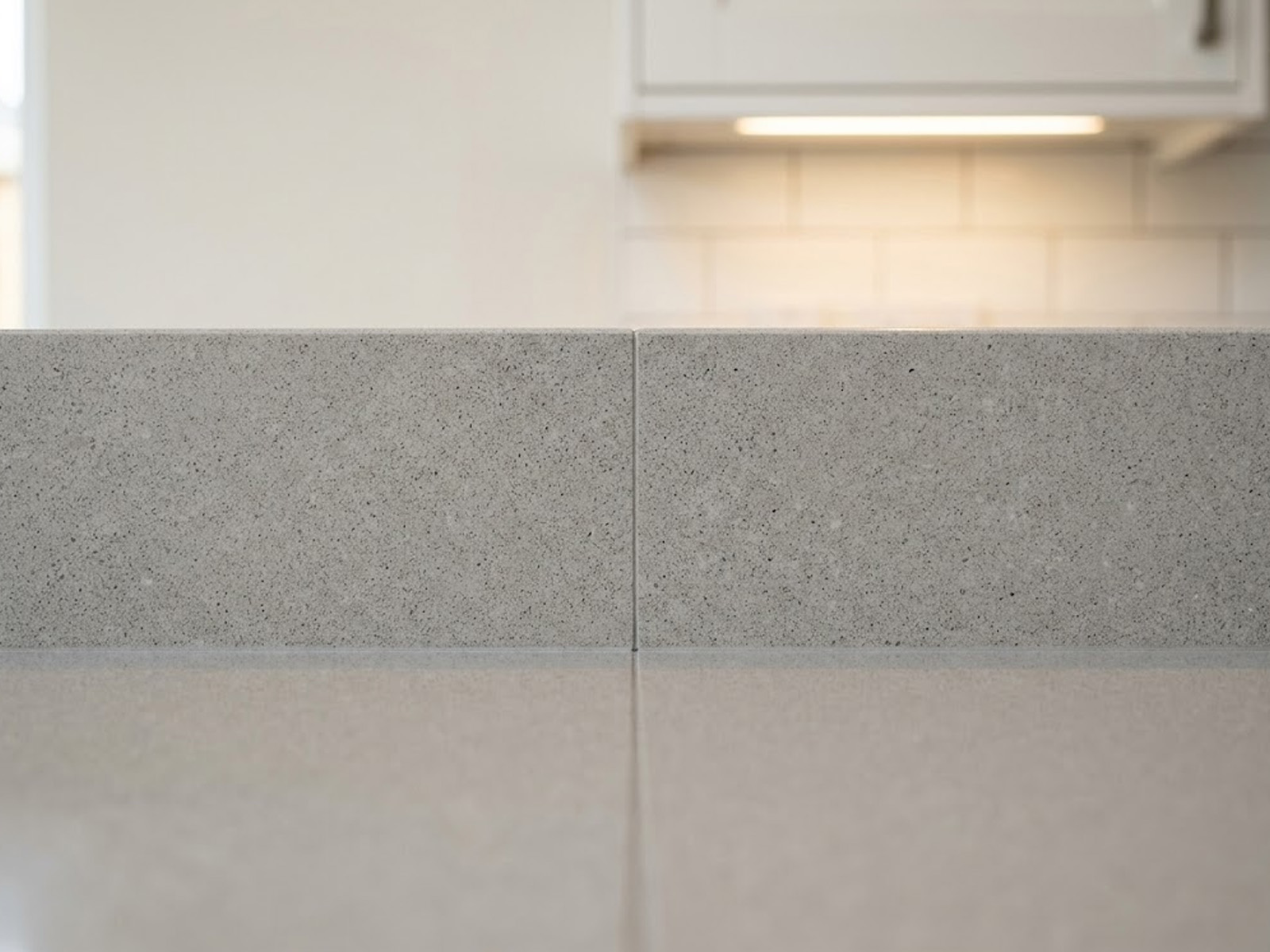
Yes, joints are physically present and slightly visible on quartz worktops, as it is impossible to fuse solid engineered stone slabs together without a seam. However, a highly skilled stonemason utilising digital templating, colour-matched epoxy resin, and professional seam setters can make these joints practically inconspicuous to the naked eye.

  • Average Seam Width: Properly fabricated joints are extremely narrow, measuring less than 1.5 millimetres across.

  • Tactile Feel: A professionally fitted joint is completely flat, smooth, and level, with zero catching or jagged edges.

  • Visual Factors: Solid, lighter colours make seams harder to see, whereas complex Calacatta patterns require expert vein matching.

  • Hygienic Seal: The seam is completely filled with waterproof adhesive, ensuring no food particles or bacteria can penetrate.

Every modern kitchen design requiring a layout longer than three metres will inevitably have seams. Understanding how quartz worktop joints visible in your home behave is essential for setting realistic design expectations before your fitting day.

The physical limitations of transporting vast slabs mean we cannot deliver single pieces that span the entire length of large open-plan kitchens. Slabs typically measure around three metres in length, meaning long runs, L-shaped corners, and breakfast bars require strategic cuts.

When we plan a kitchen layout, we focus heavily on locating these seams in discrete, structurally sound areas. A poorly positioned seam not only compromises the visual flow of your workspace but can also lead to structural failures over time.

How Material Patterns Affect Quartz Worktop Joints Visibly

The intricate patterns, veining, and base colours of your selected stone play a monumental role in how prominent your joint will look. Solid greys, warm taupes, and fine-grained patterns are exceptionally forgiving, allowing us to blend the seam seamlessly into the background.

If you choose a highly complex, heavily veined Calacatta marble design, matching the veins across a joint is a complex task. We must carefully align the sweeping patterns during the cutting phase to avoid a jarring, artificial visual break in your kitchen island.

We always advise clients selecting these dramatic designs to review our guide on popular quartz worktop colours in the UK. Selecting the perfect pattern ensures that your joint lines complement, rather than disrupt, your kitchen’s natural design.

Solid and Fine-Grained Quartz Patterns

Fine-grained textures or solid colours are the easiest to join because they do not have linear directional patterns that can misalign. The uniform distribution of quartz crystals across the seam makes the joint practically disappear when filled with a colour-matched adhesive.

We routinely install these simpler designs in contemporary galley kitchens, ensuring the focus remains on the clean lines of the cabinetry. These uniform options are ideal for property owners who prioritise a completely uninterrupted, monolithic surface aesthetic.

Quartz-Worktop-Seam-Precision

Heavily Veined Calacatta and Carrara Designs

Marble-effect slabs require a highly artistic eye and advanced digital templating to ensure the bold grey or gold veins flow naturally across the seam. Without careful planning in our workshop, a joint can make the pattern look disconnected, ruining the luxurious aesthetic.

To achieve a flawless flow, we often need to cut multiple pieces from consecutive slabs, which can slightly increase the total material required. If you are researching these high-end options, review Bespoke quartz worktops to see how we manage veining.

Technical Factors That Control Quartz Worktop Joint Visibility

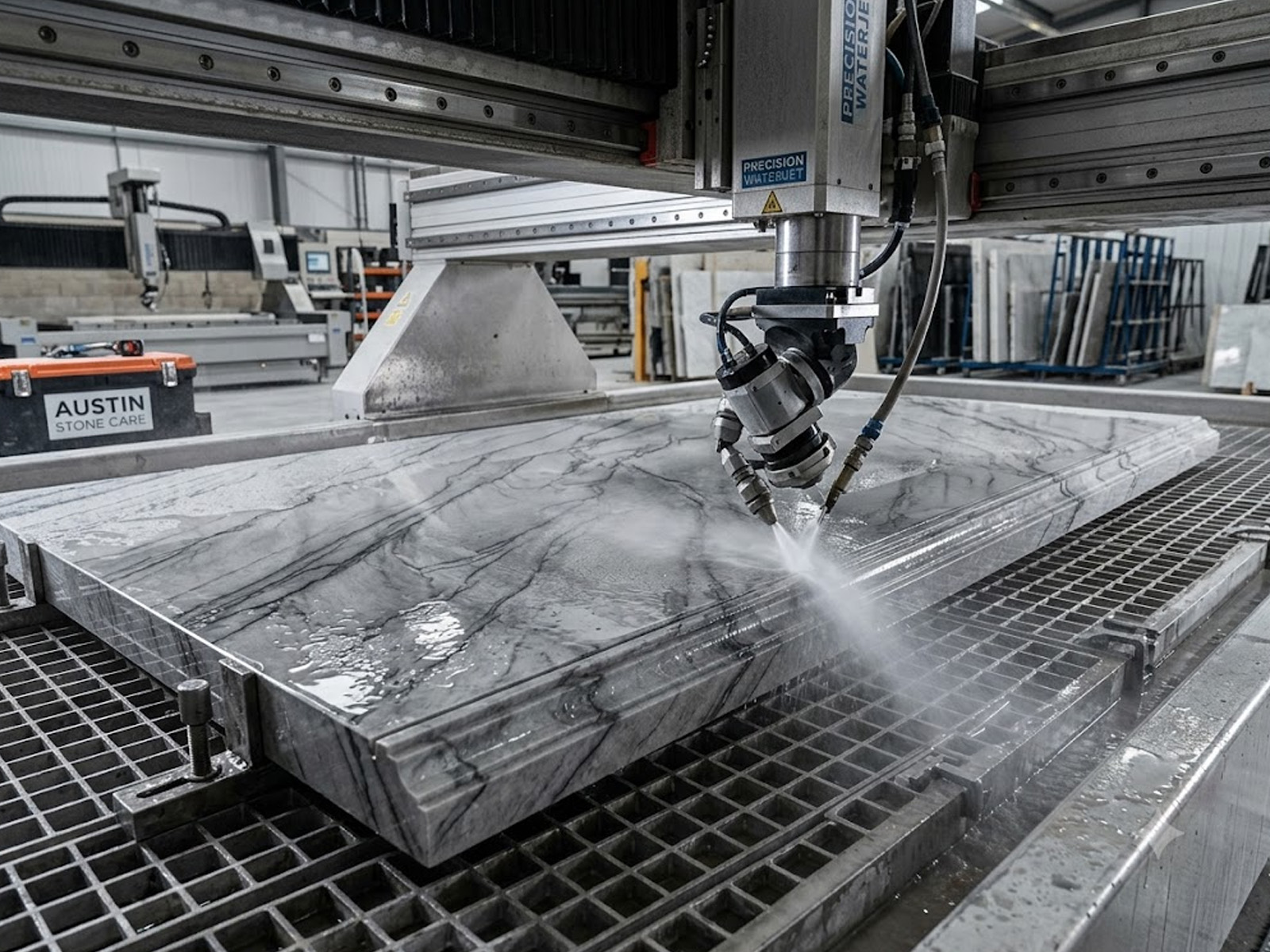
The visual success of any stone seam is directly dictated by the precision of the manufacturing machinery and the skill of the installers. At our workshop, we utilise advanced water-jet CNC cutters to achieve incredibly clean, straight edges that are completely free from microscopic chips.

Even minor chipping along the cut edge will trap the tinted epoxy, creating a dark, jagged line that makes the joint highly prominent. Hand-cutting stone on-site with manual tools cannot replicate this factory-level precision, which is why in-house fabrication is mandatory.

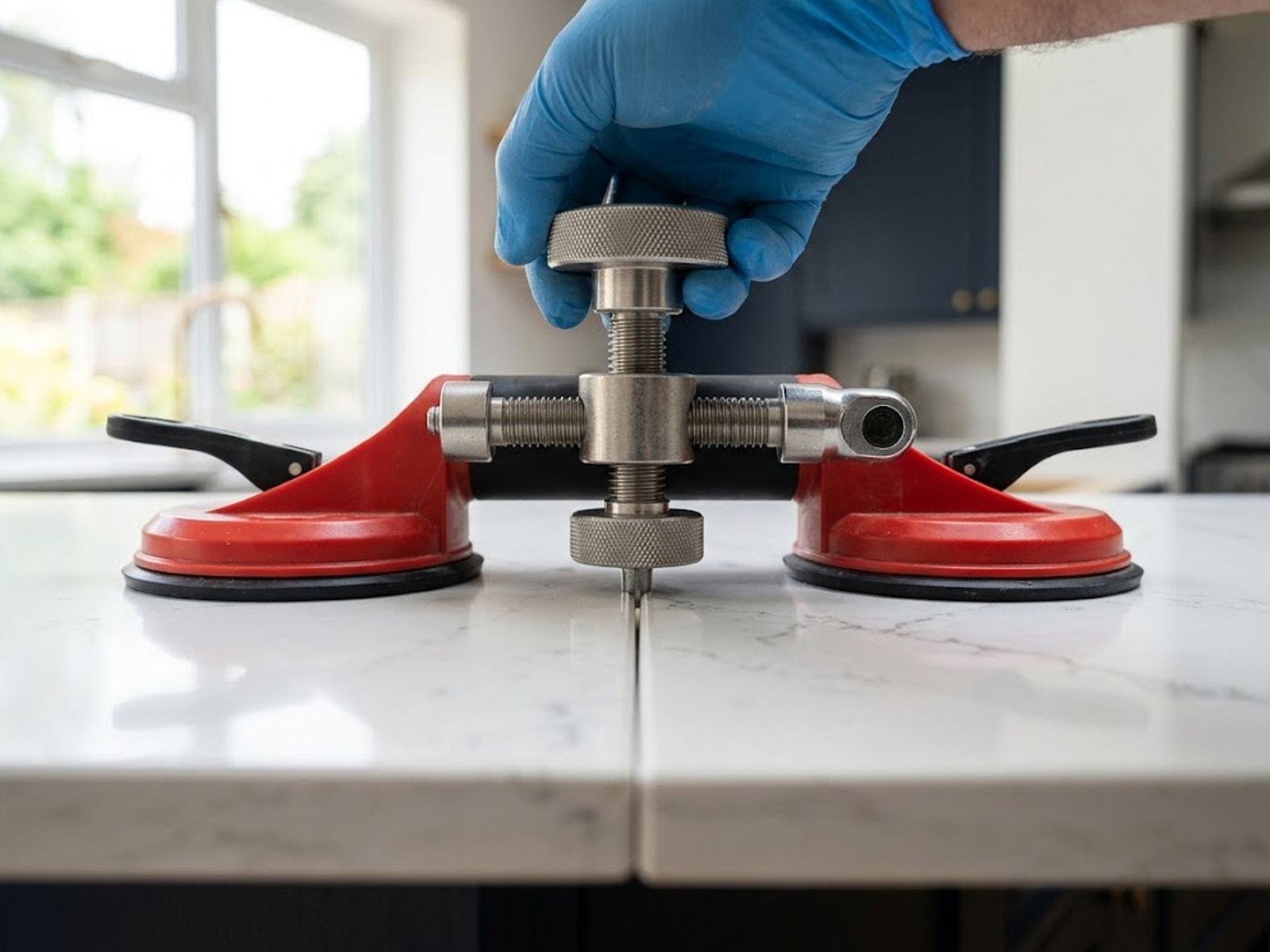
Once the stone arrives at your home, our installers use specialised mechanical seam-setting tools to pull the pieces together under immense pressure. These suction-cup devices level the slabs perfectly while the chemical resin cures, eliminating any slight height differences.

The Role of Colour-Matched Epoxy Resin

We do not use standard clear silicone to join premium stone surfaces; instead, we utilise advanced two-part structural epoxy resins. We manually mix specific colourants to match both the base background of the slab and any accent veining running through the seam.

This colour-matching process is a true craft, requiring a keen eye for tone, depth, and the reflective properties of the engineered stone. Once the resin is packed into the joint and fully cured, we carefully shave away the excess to leave a completely flush finish.

For a detailed walkthrough of the physical installation process, consult What to Expect During a Professional Quartz Worktop Installation. Understanding this sequence highlights the level of care required to deliver an immaculate, smooth joint.

The Critical Need for Perfectly Level Base Cabinets

A common, costly mistake that compromises a joint is placing heavy stone slabs onto unlevel wooden kitchen cabinetry. If the base cabinets dip by even a single millimetre across the layout, it places the rigid stone under permanent physical tension.

This tension makes it impossible to align the joint flat, leading to “lippage,” where one side of the seam sits slightly higher than the other. This uneven edge will quickly chip when struck by sliding pots, highlighting why cabinet preparation is vital.

We always verify the levelness of your supporting carcasses during our initial digital laser survey to prevent these fitting issues. Proper preparation ensures that your cabinets are structurally ready to support the immense weight of your new surfaces safely.

Comparing Joint Quality Across Different Kitchen Worktop Materials

Different kitchen surfaces react uniquely to the seaming process, with engineered stone delivering the most sanitary and robust joints. While laminate is prone to water damage at the seams, engineered quartz remains completely non-porous and waterproof.

We consistently find that engineered surfaces easily outperform natural granite when it comes to creating unnoticeable, tight seams. The table below compares the typical joint widths, sealing requirements, and overall hygiene levels of popular kitchen worktops.

Material TypeAverage Joint WidthJoint WaterproofingSealing Required at Joint
Engineered Quartz< 1.5 mm (Very tight)100% WaterproofNever
Natural Granite1.5 mm – 2.5 mmWaterproof (epoxy-sealed)Annually
Laminate1.5 mm – 2.0 mmVulnerable to water swellingEdge sealant required


Why Porosity Matters for Joint Longevity

Natural granite is naturally porous, meaning that moisture can slowly seep into the edges around a joint if the chemical sealant degrades. Over time, this water ingress can discolour the stone or weaken the adhesive bond, leading to a visible separation of the seam.

Because engineered stone is non-porous, the colour-matched epoxy forms a permanent, impenetrable bond that resists bacteria and moisture. To learn more about how these structural differences impact maintenance, read our comparison of quartz vs granite worktops.

Preventing Damage and Stains Along Your Quartz Worktop Joints

Once your worktop is installed, caring for the joint line properly will keep the seam looking immaculate and sanitary for decades. The cured resin adhesive is highly durable but remains slightly more sensitive to chemical cleaners than the engineered stone itself.

You should avoid scrubbing the joint line with abrasive scourers or using highly acidic or alkaline chemicals like neat bleach. To understand safe maintenance practices, read our comprehensive guide on how to clean quartz worktops.

Additionally, never place intense heat sources, such as a boiling hot pan or a slow cooker, directly over or near a joint. Extreme thermal shock can cause the resin adhesive to scorch or crack, weakening the seam and requiring professional repair.

Heat Protection and Thermal Shock Prevention

While engineered stone is highly durable, the polymer resins used to bind the quartz crystals together are sensitive to thermal shock. Placing hot pans on a cold worktop can cause localised expansion, placing immense physical stress on the nearest joint.

We always instruct clients to use protective wooden trivets or integrated metal bars near their hobs to protect the stone. For more detailed safety guidelines regarding heat, see our expert article Can You Put Hot Pans Directly on Quartz Worktops?.

Establishing these basic habits preserves both the structural integrity of your seams and the warranty of your stone surfaces. It ensures your kitchen remains a safe, highly hygienic environment for daily food preparation and cooking.

Safe Fabrication Practices and UK Safety Standards

Processing dense engineered stone generates fine crystalline silica dust, which must be managed strictly to protect health and safety. Our modern fabrication facility utilises advanced wet-cutting CNC machinery to suppress this dust completely during production.

Our workshop operates in absolute compliance with the rigorous occupational safety regulations enforced by the gov.uk Health and Safety Executive. This unwavering commitment guarantees a safe working environment for our skilled stonemasons and an uncontaminated product for your home.

Adhering to these strict standards ensures your bespoke worktops are cut, polished, and joined using the safest industry techniques. It reflects our dedication to delivering craftsmanship that is both beautiful and manufactured to the highest ethical standards.

The Austin Direct-to-Consumer Value Proposition

Choosing an independent, direct-to-consumer fabricator is the best way to secure premium stone surfaces without paying inflated showroom prices. By managing the entire process internally, we eliminate expensive middlemen markups and retail commissions.

At Austin Laminate Countertops, we handle digital laser templating, CNC cutting, edge profiling, and final installation ourselves. This streamlined model allows us to offer premium materials and impeccable joint precision at a highly competitive price point.

Secure Your Precision Kitchen Estimate Today

Stop guessing about your upcoming renovation costs and get a transparent, highly accurate quotation tailored to your kitchen’s unique dimensions. Our in-house team is ready to guide you through material thickness options, colour selections, and joint placement strategies.

Submit your kitchen plans or dimensions today to receive an accurate, competitive estimate by requesting a Free Quote through our secure portal. Let our master stonemasons transform your kitchen with guaranteed engineering precision and direct-to-consumer value.
Polished vs Honed Quartz: Which Finish Suits Your Style?

Choosing between honed vs polished quartz dictates both the visual impact of your kitchen and your daily maintenance routine.

  • Polished Quartz: Offers a high-gloss, reflective surface that enhances colour depth and provides maximum stain resistance.

  • Honed Quartz: Features a smooth, matte, non-reflective finish that delivers an organic, contemporary, and understated aesthetic.

  • Maintenance: Polished surfaces are highly forgiving and wipe clean easily, whereas honed finishes require more frequent cleaning to remove daily finger oils.

  • Best For: Polished suits busy family kitchens seeking traditional luxury, while honed is perfect for sleek, modern, and industrial spaces.

Defining the Core Differences: Honed vs Polished Quartz

Evaluating honed vs polished quartz requires looking beyond catalogue photos to understand how these textures are manufactured in our workshop. Both finishes start with identical engineered slabs, which are then processed with different abrasive pads during the final polishing stage.

Our master stonemasons utilise specialised wet-polishing machinery to craft the perfect texture, ensuring consistency across every square millimetre of the stone. A polished finish is achieved by using exceptionally fine abrasive grit, which seals the surface pores and creates a mirror-like shine.

Conversely, a honed finish stops earlier in the polishing sequence, leaving a satin-like, non-reflective texture that feels incredibly smooth and velvety to the touch. This subtle structural difference heavily impacts how the material interacts with natural light and liquid spills in your kitchen.

Visual Impact and Design Aesthetics in British Kitchens

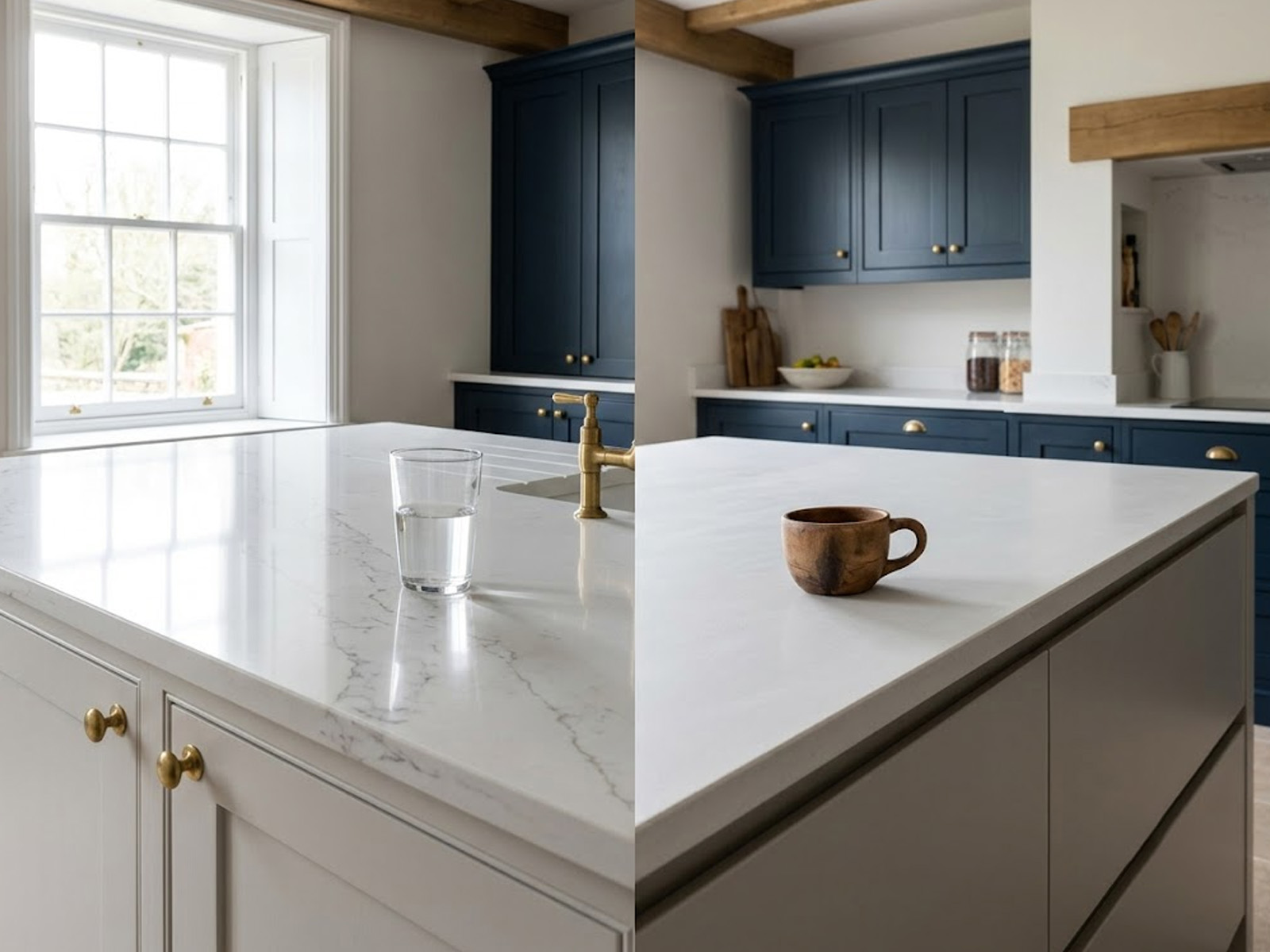
The choice between honed vs polished quartz heavily influences the overall atmosphere and style of your home. A highly reflective polished slab bounces light around the room, making smaller spaces or galley kitchens feel significantly larger and brighter.

For those seeking absolute design versatility, choosing Bespoke quartz worktops in a polished finish delivers a classic, high-end look. This gloss beautifully accentuates intricate, marble-like veining patterns, highlighting the contrasts within Calacatta designs.

On the other hand, the organic trend in modern British design has driven immense demand for the understated elegance of honed slabs. This matte surface absorbs light rather than reflecting it, creating a grounded, contemporary aesthetic that integrates perfectly with raw oak or concrete elements.

quartz-microtexture-oil-stain-test

Integrating Finishes with Modern Cabinetry

Selecting your worktop finish requires careful coordination with your kitchen cabinets, lighting fixtures, and architectural layout. A matt-honed stone pairs beautifully with modern handleless cabinets, preventing distracting glare from under-cabinet LED strip lighting.

Polished worktops, conversely, are the quintessential companion for traditional painted Shaker-style kitchens featuring brass ironmongery. The glossy surface catches the natural light from sash windows, creating a lively and bright food preparation space.

For a detailed analysis of how various designs present in different layouts, consult our expert guide on popular quartz worktop colours in the UK. Selecting the ideal combination ensures a cohesive visual flow throughout your property.

Daily Maintenance and Stain Resistance Realities

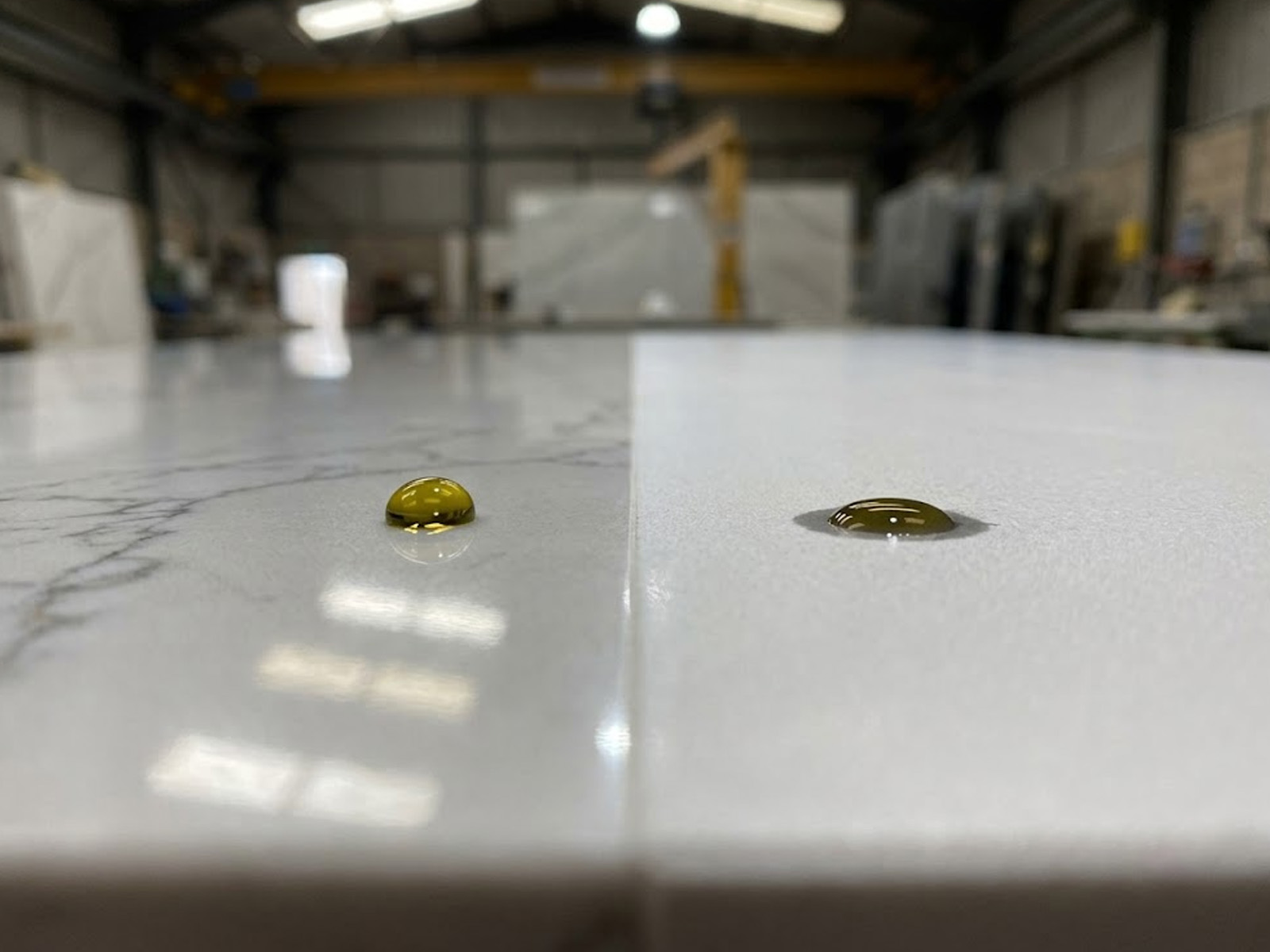
Understanding the practical realities of honed vs polished quartz in a busy family home will save you years of cleaning frustration. While both options are technically non-porous, their surface textures behave very differently when exposed to daily kitchen oils.

A polished surface is exceptionally smooth, which means greasy fingerprints, water spots, and liquid spills have nothing to cling to. This makes polished quartz the most low-maintenance choice, easily wiped clean with a microfibre cloth and a touch of warm soapy water.

In contrast, a honed finish has a slightly higher micro-texture that can trap micro-particles of dust, skin oils, and grease. While it will not permanently absorb liquids, you will find that daily smudges and watermarks are far more visible on a matte surface.

Safe Cleaning Practices to Prevent Cloudy Resins

Maintaining the pristine finish of your chosen stone requires using gentle, pH-neutral cleaning agents that protect the resin binders. Using highly abrasive scouring powders or acidic descalers will chemically burn the polymer matrix, leaving permanent dull spots.

To maintain your surfaces safely, we always advise clients to read our dedicated guide on how to clean quartz worktops. Regular, non-abrasive care preserves the factory-applied texture without compromising the material’s integrity.

Furthermore, we strongly suggest avoiding generic multi-purpose cleaners that contain high concentrations of bleach or ammonia. These aggressive chemicals will slowly degrade the surface resins over time, turning a beautiful polished sheen into a cloudy, uneven patch.

Durability, Scratching, and the Risk of Chipping

Engineered quartz is one of the densest and most resilient materials available, but the finish you choose affects its vulnerability to physical wear. When evaluating honed vs polished quartz, both options are highly resistant to deep structural scratches.

However, a polished finish is slightly more forgiving when it comes to hiding micro-scratches from sliding crockery. The high gloss reflects light away from tiny surface imperfections, making minor daily wear and tear virtually invisible to the naked eye.

On a honed worktop, micro-abrasions can sometimes appear as light shiny marks against the matte background. If your busy kitchen is prone to heavy impact, reading our advice on quartz worktop chip repair will help you manage accidental damage.

Preventing Thermal Shock on Engineered Surfaces

Regardless of whether you select a honed or polished texture, the internal polymer resins remain sensitive to sudden, extreme heat. Placing a hot roasting tray directly onto the cold stone can scorch the resin binders or cause the slab to crack.

We always advise our clients to use protective wooden trivets or integrated metal rails to keep intense heat away from the stone. To fully understand the thermal limits of engineered quartz, read Can You Put Hot Pans Directly on Quartz Worktops?.

Taking these simple precautions ensures your worktop remains structurally sound and visually flawless for decades. Protecting the stone from thermal shock is the single most effective way to safeguard your kitchen investment.

Comparing Finishes: Honed vs Polished Quartz Performance

To help you make the absolute best decision for your upcoming kitchen renovation, we compiled a direct comparison of both finishes. This table highlights how each texture performs under typical, busy household conditions in the UK.

Performance CharacteristicPolished Quartz FinishHoned Quartz Finish
Light ReflectionExtremely High (Mirror-like gloss)Low (Satin/Matte non-reflective)
Stain ResistanceOutstanding (Slick surface)High (But shows oil smudges easier)
Scratch VisibilityVery Low (Gloss hides micro-scratches)Low (But micro-scratches can show)
Tactile FeelGlass-like and smoothVelvety and organic


Structural Preparation and Precision Installation

Achieving a flawless, long-lasting installation relies entirely on the quality of the preparation work completed before the stone arrives. Because engineered stone is incredibly heavy, it requires robust, perfectly level cabinetry to prevent stress fractures over time.

Our teams use advanced digital laser templating systems to map your kitchen layout down to strict millimetre tolerances. This precision ensures your bespoke worktop fits perfectly against uneven walls, resulting in clean, minimal joint lines.

If you are planning your renovation budget, reviewing our comprehensive article on quartz worktop prices in the UK will help you allocate funds correctly. Proper planning ensures you can afford the expert fabrication needed for a high-value finish.

Why Professional Fitting Adds Significant Value

A poorly fitted stone surface with wide, uneven joint lines will drastically reduce the visual appeal and hygienic properties of your kitchen. Professional installation guarantees that all joints are chemically bonded with colour-matched resins, making them virtually seamless.

If you are wondering about the long-term return on your kitchen investment, read our detailed analysis on do quartz worktops add value. Investing in precision-engineered stone vastly improves your property’s future market appeal and overall value.

Safe Fabrication Standards and UK Regulations

Fabricating engineered quartz, whether it is honed vs polished quartz, generates fine crystalline silica dust during cutting and profiling. This fine particulate matter poses severe health risks if inhaled, demanding strict dust-suppression protocols in modern workshops.

Our state-of-the-art manufacturing facility complies entirely with the rigorous safety standards enforced by the gov.uk Health and Safety Executive. We utilise advanced wet-cutting CNC machinery and industrial air filtration systems to completely suppress hazardous dust.

This commitment to safety protects our master stonemasons while guaranteeing that your custom-milled worktops arrive at your home completely clean and free from hazardous residues. It reflects our dedication to executing craftsmanship of the highest professional standard.

The Austin Direct-to-Consumer Advantage

Choosing a dedicated, independent fabricator allows you to bypass expensive high-street retail showrooms that add massive middleman markups. Because we manage every stage of the process internally, we offer highly competitive pricing on premium stone.

At Austin Laminate Countertops, our direct-to-consumer approach means we handle digital templating, CNC cutting, edge profiling, and final fitting ourselves. This integrated model guarantees absolute quality control and deep, honest value for your home.

If you are still debating between different premium materials, read our expert comparison on quartz vs granite worktops. We are committed to helping you choose the perfect material and finish to match your unique daily lifestyle.

Get Your Free Bespoke Worktop Quote Today

Stop relying on vague showroom estimates and secure a transparent, highly accurate quotation tailored to your exact kitchen dimensions. Our in-house specialists are ready to guide you through material thickness options, edge profiles, and the best finish for your home.

Submit your kitchen dimensions today and schedule your professional digital laser survey by requesting a Free Quote through our secure portal. Let our master stonemasons transform your kitchen with guaranteed engineering precision and direct-to-consumer value.
Do Premium Quartz Worktops Add Value to Your Home in the UK?

Yes, installing premium Quartz worktops generally adds significant value to your UK home, potentially increasing property value by 3% to 7% while vastly improving buyer appeal.

  • High ROI: Kitchen renovations often yield the highest return on investment, with quartz being the most desired surface material.

  • Buyer Demand: 2026 homebuyers prioritize durable, low-maintenance, and hygienic stone surfaces.

  • Perceived Luxury: Bespoke quartz immediately elevates a kitchen’s aesthetic, signaling a high-spec, well-maintained home.

  • Speed of Sale: Homes featuring stone worktops often sell faster due to the move-in-ready appeal.

Examining the E-E-A-T Behind Quartz Worktops and Added Value

Understanding do quartz worktops add value requires looking beyond simple aesthetics to evaluate long-term durability and functionality. Having fabricated and installed hundreds of bespoke kitchens across the UK, our stonemasons see firsthand how premium surfaces transform properties.

A cheap, poorly fitted laminate surface might suffice for a quick flip, but discerning buyers easily spot a quality installation. We always advise clients that the perceived luxury of precision-fitted stone implies the entire home has been renovated to a high standard.

Leveraging our hands-on experience, we understand that value is added not just by the material but by the quality of the finish. Millimetre tolerances in templating and nearly invisible joints are what truly differentiate a high-value kitchen from a standard one.

Addressing Common Customer Installation Mistakes

Failing to ensure base cabinets are perfectly level is a critical mistake homeowners often make before our installation team arrives on-site. If base units are unlevel, placing immense pressure on the stone, the rigid slab is much more likely to fracture at its weakest points, such as near tap holes.

Furthermore, selecting the wrong stone colour for the property’s architectural style or intended market can actually decrease appeal. For a detailed guide on selecting trendy colours, see our article on popular quartz worktop colours uk. Choosing suitable materials for your lifestyle is equally important.

We frequently see clients underestimate the complexity of sink and hob cutouts, assuming these can be casually altered on-site during fitting. All intricate cutouts must be CNC milled in our factory based on the precise digital laser templates to avoid creating weak points in the stone.

Calculating the True Return on Investment for Stone Surfaces

When property owners ask do quartz worktops add value, they are often focused purely on financial return rather than saleability. A newly fitted bespoke kitchen can yield an ROI of over 80%, provided the rest of the property matches the kitchen’s high specification.

While you may not always recover the exact cost pound-for-pound, a premium kitchen featuring Quartz worktops vastly increases buyer confidence. Buyers in 2026 prefer move-in-ready homes and are often willing to pay a premium to avoid the hassle and dust of their own renovation.

However, overspending on ultra-luxury quartz in a modest terraced home will limit your total ROI. For a transparent breakdown of expected investment costs, read our comprehensive guide on quartz worktop prices uk.

Material Comparison Table for UK Property Value

Understanding the visual difference between premium stone and synthetic alternatives helps when weighing up do quartz worktops add value. The table below highlights the performance, cost, and perceived value differences that ultimately influence a UK homebuyer’s offer.

precision-quartz-installation-seamless-joint

How Precision Templating Maximizes the Added Value

The entire value proposition can be ruined by poor templating and a subsequent, ill-fitting installation full of visible gaps and packing shims. We use advanced digital laser templating systems to ensure your bespoke surfaces fit your cabinetry precisely with millimetre tolerances.

Precise templating guarantees that seamless joints align perfectly and overhangs are consistent throughout the entire layout. For more technical details, read about kitchen worktop fabrication techniques and how they eliminate costly fitting errors.

The Dangers of Inaccurate templating and DIY Fitting

A DIY approach to templating, or worse, cutting stone on-site, vastly decreases value by increasing the risk of visible chips and fractures. Attempting to fit massive slabs without the correct lifting equipment also risks catastrophic injury and cabinetry collapse.

Visible errors, unpolished edges, and messy silicone seams around the sink directly signal a poor-quality renovation. Buyers in 2026 expect impeccable craftsmanship when they see premium surfaces advertised, and visible flaws will likely lead to lower offers.

Fabricating dense engineered stone generates hazardous silica dust, strictly demanding advanced workplace safety protocols. Our modern facility complies entirely with the rigorous regulations set by the gov.uk Health and Safety Executive regarding silica exposure.

Securing the Price Advantage with Direct Fabrication

Securing the best return on your investment means maximizing your do quartz worktops add value calculation by minimizing initial costs. High-street showrooms typically add massive middlemen markups, inflating the cost of the material and fitting.

At Austin Laminate Countertops, we bypass expensive showrooms by managing the entire process in-house. Our direct-to-consumer model means we handle digital templating, CNC cutting, and final installation ourselves.

Choosing direct fabrication allows you to secure premium bespoke surfaces at a highly competitive price point without compromising engineering precision. We eliminate unnecessary retail overheads, ensuring every pound you invest goes directly into the quality of your finished product.

The Importance of Correct Material Selection for Added Value

Selecting the ideal worktop is a deeply personal decision that balances aesthetics, budget, and durability, directly impacting future property appeal. For a detailed performance comparison, see our analysis of quartz vs granite worktops.

Our expert stonemasons always advise against installing porous natural marble in high-traffic kitchens, as it stains easily and requires constant sealing. Buyers who see marble worktops often view them as a liability rather than a luxury asset due to maintenance demands.

Get Your Accurate Price Estimate with Austin Today

Stop relying on vague online calculations and secure a precise, transparent quotation tailored exactly to your kitchen’s unique dimensions. Our in-house team is ready to assist you with material selection, bespoke edge profiling, and booking your digital laser survey.

Let our expert stonemasons transform your kitchen into a high-value asset with guaranteed engineering precision and seamless installation. Visit our online portal to request your bespoke Free Quote and schedule your templating visit today.

Can Chipped Quartz Worktops Be Repaired Seamlessly?

Yes, chipped quartz worktops can be repaired nearly seamlessly using professional clear or colour-matched acrylic and epoxy resins. While a completely invisible restoration is highly dependent on the stone’s pattern, a skilled stonemason can make most structural chips virtually unnoticeable to the naked eye.

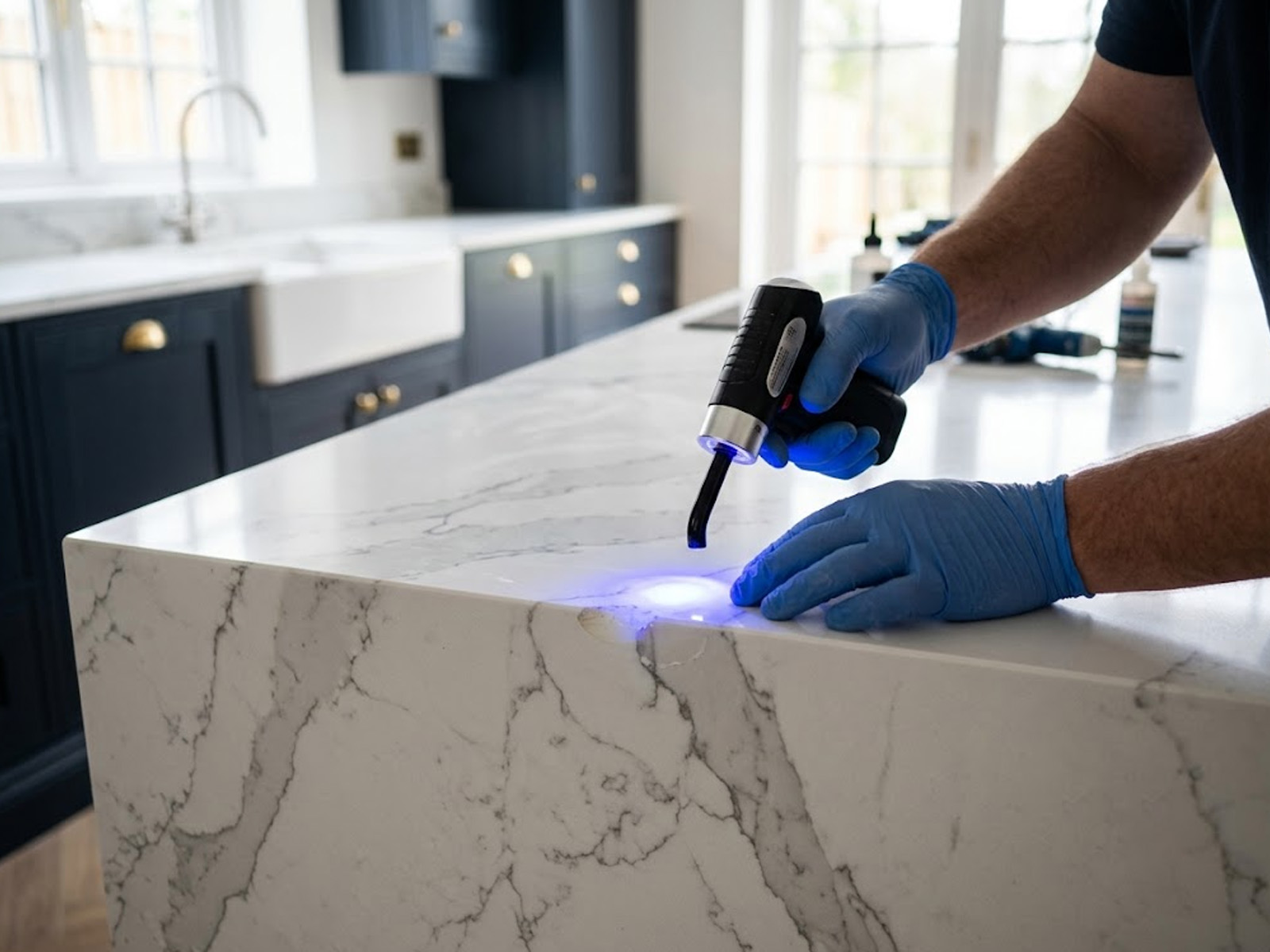
  • Repair Method: Professional fabricators use clear cyanoacrylate (super glue) or pigment-tinted epoxy resins, cured rapidly using specialised UV light guns.

  • Aesthetic Quality: Solid colours and fine-grained patterns yield the most seamless results. Highly complex, heavily veined Calacatta patterns are more challenging but can be successfully disguised.

  • Professional vs DIY: Small edge nicks can be treated with consumer DIY kits. However, deep, structural corner damage strictly demands a professional quartz worktop chip repair specialist.

The Reality Behind Quartz Worktop Chip Repair

Understanding the technical limits of quartz worktop chip repair is essential before assessing your damaged kitchen counter. As experienced stonemasons, we handle both minor nicks and major impact fractures, restoring surfaces to their structural glory.

While engineered stone is incredibly durable, it is not completely indestructible. Heavy cast-iron pots dropped directly onto vulnerable edges will cause chipping, requiring precision restoration to seal the non-porous structure.

Our team approaches every restoration project with strict attention to detail, carefully mixing liquid pigments to match the base slab’s background shade. This hands-on expertise ensures the cured resin mirrors the light-reflective qualities of your surrounding polished worktop.

Phase 1: How Professionals Repair Chipped Quartz Slabs

The professional quartz worktop chip repair process relies on chemical bonding agents designed to replicate the properties of the original resin binder. We clean the chipped pocket meticulously to remove grease, dirt, and kitchen residues before applying any adhesive.

Once the cavity is clean, we mix a premium two-part acrylic or epoxy resin with precise structural pigments. This colour-matched compound is carefully layered into the chip, slightly overfilling the void to account for shrinkage during the rapid curing process.

Curing and Leveling the Damaged Stone Surface

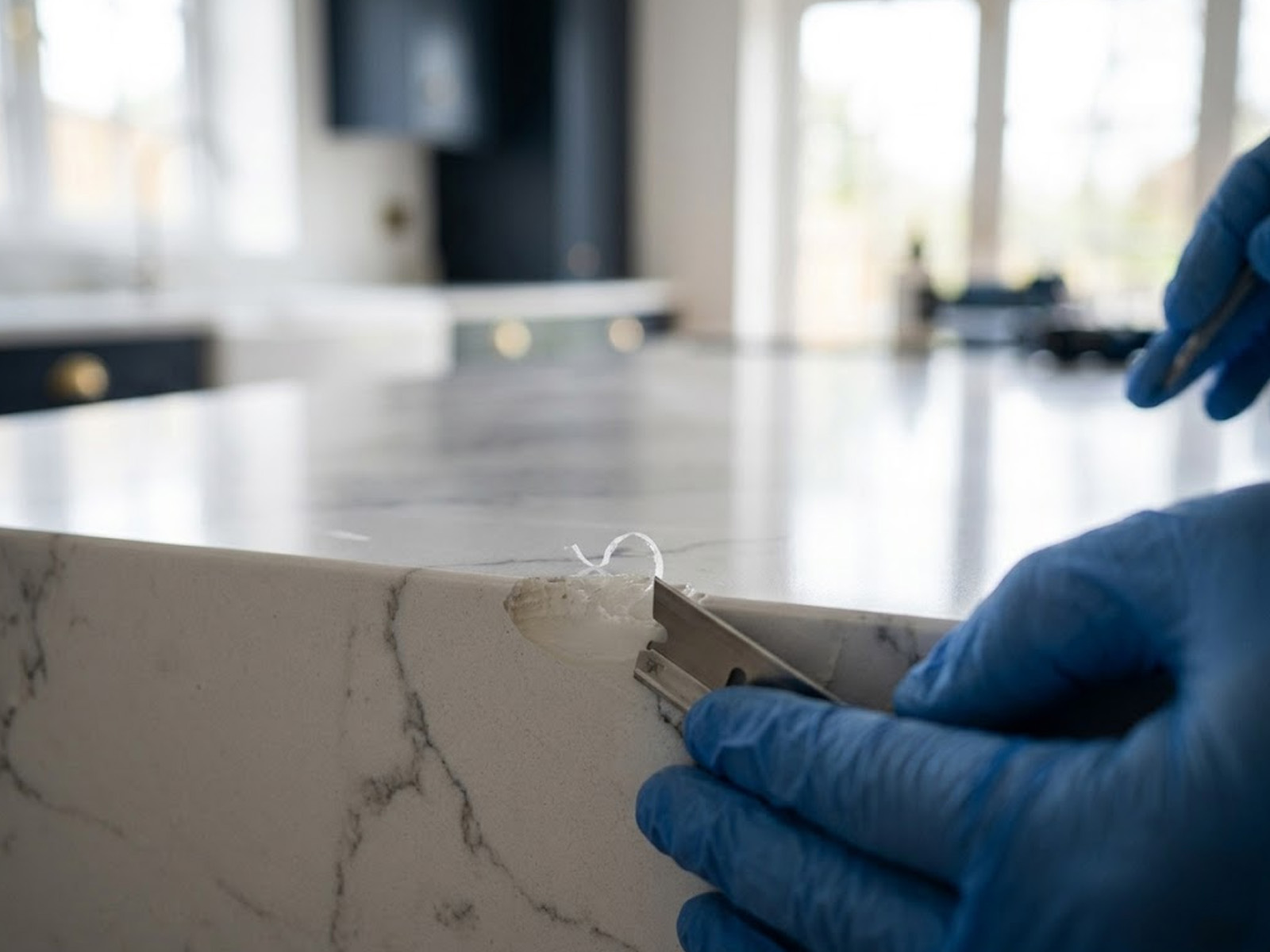
After filling the chip, we use a high-intensity UV curing gun to harden the resin compound within seconds. Once fully cured, we level the excess material using a highly flexible razor blade, keeping it completely flat against the worktop.

This delicate hand-scraping process requires immense skill to avoid scratching the surrounding polished stone. We finish by polishing the repaired spot with progressive micro-abrasive pads, restoring the seamless gloss of your Quartz worktops without leaving dull halos.

precision-resin-leveling-quartz-repair

Phase 2: Common Mistakes That Cause Quartz Worktops to Chip

Homeowners frequently make the mistake of using heavy, unpadded cast-iron pans or metal pots near vulnerable sink cutouts. This high-impact activity is the leading cause of edge damage, particularly when transferring heavy cookware into undermount sinks.

Furthermore, failing to level base cabinetry during installation puts the rigid stone under permanent structural tension. This hidden physical stress makes the edges significantly more vulnerable to chipping or cracking from minor impacts.

Choosing the Wrong Edge Profile for Your Lifestyle

Selecting a sharp, 90-degree square edge profile for a high-traffic family kitchen is a common mistake we resolve daily. These crisp, sharp edges lack the protective curvature needed to deflect impacts, making them highly susceptible to damage.

We always advise choosing a bevelled, pencil, or bullnose edge profile during the digital templating phase of your project. These rounded profiles distribute the force of impact safely, drastically reducing the risk of needing a quartz worktop chip repair later.

You can learn more about choosing the best edge profiles in our detailed guide on 20mm vs 30mm Quartz Worktops: Making the Right Choice. Preparing your design correctly prevents expensive structural damage from occurring down the line.

Phase 3: Material Limitations and Repair Visibility

The final appearance of your quartz worktop chip repair is heavily dictated by the specific colour and pattern of your engineered stone. Solid grey, pure white, and fine-grained patterns are relatively straightforward to match seamlessly.

In contrast, matching large, sweeping veins or mirror-flecked designs is a highly complex task that demands professional intervention. The table below outlines how different patterns perform during the restoration process.

Quartz Pattern TypeRepair DifficultyExpected Visual Seamlessness
Solid White / GreyLowHighly Seamless (95-98% invisible)
Fine Grain / SandyModerateVery Good (90-95% invisible)
Mirror Fleck / ShimmerHighGood (Requires reflective additives)
Bold Calacatta VeinExceptionally HighModerate (Requires hand-drawn vein matching)


Why Pattern Matching Requires Artistic Expertise

When restoring heavily veined stone, our stonemasons must act as artists, hand-drawing the veining through the cured resin layers. This multi-stage process involves embedding dark pigments within the clear acrylic to mimic the natural flow of the pattern.

It is this meticulous craftsmanship that separates a cheap DIY attempt from a professional, highly seamless restoration. If your worktop features intricate patterns, you should review our guide on the top popular quartz worktop colours uk to see how various designs behave.

Phase 4: Protecting Your Restored Quartz Worktops

Once your quartz worktop chip repair is complete, adopting safe daily maintenance habits will ensure the mend remains completely intact. The cured epoxy resins are highly durable but remain slightly more sensitive to extreme heat and harsh chemicals than the original stone.

You must avoid placing boiling hot pans directly over the repaired area, as intense heat can melt or discolour the adhesive. To understand how heat affects your surface, review our guide on Can You Put Hot Pans Directly on Quartz Worktops?.

Additionally, avoid scrubbing the repaired spot with abrasive scourers or acidic cleaning agents. Stick to warm water and a mild, pH-neutral dish soap applied with a soft microfibre cloth to clean the area safely.

Safe Cleaning Practices in the UK

Our restoration advice is designed to help you preserve the pristine, factory-polished finish of your worktop indefinitely. For a comprehensive, step-by-step cleaning checklist, consult our expert article on how to clean quartz worktops.

Furthermore, always ensure any household cleaners you purchase comply with safety regulations. We recommend verifying product safety data sheets via gov.uk to ensure they are free from toxic chemical solvents that could dissolve cured resins.

The Austin Direct Fabrication Advantage

Partnering with a direct-to-consumer fabricator ensures you receive premium-grade materials and expert support throughout the lifetime of your kitchen. By managing the entire process internally, we bypass traditional high-street retail showrooms entirely.

At Austin Laminte Countertops, our direct model means we handle digital templating, CNC cutting, and final installations ourselves. This allows us to maintain strict quality control while offering highly competitive pricing on all bespoke surfaces.

If you are currently debating between different stone options, we advise reading quartz vs granite worktops. Understanding how each material handles impacts helps you choose the perfect surface for your culinary lifestyle.

20mm vs 30mm Quartz Worktops: Making the Right Choice

Deciding between 20 mm vs 30 mm quartz worktops is a crucial step in kitchen planning. We have handled countless professional installations, and our experience shows that neither thickness is objectively “better” for all situations. While both are highly durable, the right choice for your bespoke kitchen depends entirely on your desired aesthetic, your budget, and the structural capability of your cabinetry.

  • 20mm Quartz: Offers a sleek, contemporary, and often preferred minimalistic appearance, suitable for modern designs. It is slightly cheaper and lighter, but may require additional structural support from your kitchen units, especially over large spans.

  • 30mm Quartz: Provides a highly traditional, robust, and monolithic look that many property owners still prefer for classic kitchens. While slightly more expensive, it is structurally stiffer, potentially eliminating the need for extra cabinet reinforcement.

Navigating the Decision: Aesthetics of 20mm vs 30mm Quartz

The primary differentiator when customers view our full-sized slabs is the visual profile each thickness creates. When comparing 20mm vs 30mm quartz, the thinner option is rapidly becoming the dominant choice for truly modern British kitchens.

We find the 20mm profile offers a highly desirable, minimalistic aesthetic that pairs flawlessly with contemporary handleless cabinetry. It creates clean, unobtrusive lines that many property owners seek for a sophisticated, sleek finish in open-plan living areas.

In contrast, the 30mm vs 20mm quartz debate takes a more traditional turn when homeowners view our monolithic 30mm slabs. We often install this thickness in classic Shaker-style or country kitchens because it delivers a substantial, robust look that immediately conveys premium quality and traditional endurance.

Visual Impact and Design Trends

Modern European design strongly favours the thinner profile, and we are seeing a significant volume of bespoke orders specifically requesting the 20mm material. This aesthetic preference heavily influences how homeowners weigh 20mm vs 30mm quartz.

However, we always advise that the 30mm choice remains a classic for a reason. In vast, expansive spaces with grand kitchen islands, the thicker profile creates a powerful, monolithic centrepiece that many view as the quintessential premium countertop look.

quartz-slab-edge-profile-macro-comparison

Performance and Strength: 20mm vs 30mm Quartz Differences

From a technical fabrication and installation perspective, 20mm vs 30mm quartz profiles differ significantly in material strength. As professional stonemasons, we must consider the structural integrity of the final installation, not just the surface durability.

Engineered quartz itself is incredibly dense and durable regardless of thickness, but the 30mm vs 20mm quartz slabs possess greater inherent structural stiffness. This extra thickness means 30mm quartz is less susceptible to flexing over large spans.

When designing a large bespoke kitchen island with significant overhangs for seating, the 30mm thickness is frequently simpler to engineer. Its superior rigidity allows for greater spans without requiring extensive, hidden structural steel support.

Common Customer Mistakes and Tolerances

One of the most frequent errors we observe occurs when customers fail to check the levelness of their base cabinets before we arrive. A rigid 20mm quartz slab is much less forgiving of uneven surfaces than a robust 30mm piece.

If we fit a 20mm slab onto unlevel units, it may flex slightly, potentially compromising joint tolerances or causing micro-cracking over time. We apply strict millimetre precision during templating to verify structural readiness.

Addressing the Weight and Density Factor

Both materials are exceptionally heavy, and the 30mm vs 20mm quartz weight difference is a critical logistical consideration for our delivery and fitting teams. A 30mm slab is approximately 50% heavier, requiring more specialised manual handling during professional installation.

Despite this, both materials achieve the same high density and non-porous structure that makes them superior to natural alternatives. Their identical non-porous properties make them the premier investment for a highly hygienic, low-maintenance kitchen.

Fabrication and Installation Complexity

The 20mm vs 30mm quartz installation process presents distinct challenges that we navigate using our state-of-the-art CNC technology. Both thicknesses require precision cutting to ensure seamless joints and a perfect fit.

When handling 20mm quartz, we apply extra caution to ensure adequate support, particularly around large sink cutouts. Improper support in these vulnerable areas can cause catastrophic failure on fitting day.

In contrast, the 30mm vs 20mm quartz installation complexity often relates directly to its immense weight. The increased manual handling can occasionally add to the professional installation cost, though it is usually simpler to install structurally once in position.

Seamless Joints and Mitred Edges

Achieving a truly seamless joint is an art form we perfected over decades of working with engineered stone. Both thicknesses are exceptionally well-suited for creating unnoticeable seams.

However, if a homeowner strictly desires the look of a very thick worktop (e.g., 60mm), we always recommend using 20mm quartz with an expertly mitred front edge. This fabrication technique creates a luxurious, chunky appearance while remaining lighter than a massive 60mm solid piece.

Navigating Price: 20mm vs 30mm Quartz Costs

When analyzing 20mm vs 30mm quartz pricing, the dynamic is generally straightforward: the raw material cost is higher for the thicker slab. We consistently find that 30mm quartz commands a roughly 15% to 25% price premium over its 20mm counterpart for the exact same colour.

However, you must look beyond the slab cost when budgeting. The final project price involves complex factors including precise templating, CNC cutting, edge profiling, and professional fitting.

While 30mm quartz is more expensive for the material, the total cost difference for your bespoke kitchen may be less than expected. Our direct-to-consumer model, leveraging in-house fabrication, ensures we keep the 30mm vs 20mm quartz price highly competitive.

Comparison Factor20mm Quartz Worktop30mm Quartz Worktop
Material CostLower (Approx 15-25% less)Higher (More raw material)
WeightModerate (Easier to handle)High (Specialised lifting needed)
AestheticContemporary, SleekTraditional, Substantial
Structural StiffnessGood (May need support)Excellent (Fewer supports)


Securing Your Investment with Expert British Fabrication

Ultimately, making the right choice between 20mm vs 30mm quartz requires balancing your desired visual effect with your budget and technical installation constraints. We pride ourselves on offering bespoke solutions that perfectly align with your vision.

Explore our extensive range of high-quality Quartz worktops directly through our platform to understand the stunning variety we offer. Our experienced stonemasons are ready to guide you, leveraging decades of hands-on expertise with both thicknesses.

Safe Fabrication and UK Standards

Cutting engineered stone, regardless of whether it is 20 mm vs 30 mm quartz, generates hazardous silica dust. Our modern fabrication facility operates with advanced wet-cutting systems and air filtration to strictly manage this risk.

We adhere completely to the stringent health and safety regulations set by the gov.uk Health and Safety Executive regarding silica exposure. This commitment protects our workers while guaranteeing you receive an uncontaminated, premium product.

Take the Next Step in Your Kitchen Journey

Choosing the correct worktop is a defining moment in any kitchen renovation. Our team is dedicated to providing flawless service from the initial laser templating to the final impeccable fit.

Submit your kitchen plans or measurements today to receive an exact price calculation by requesting a Free Quote through our secure online portal. Let our expert stonemasons transform your kitchen with precision and pride.

What to Expect During a Professional Quartz Worktop Installation

During a professional quartz worktop installation process, you can expect a meticulous, multi-stage operation typically completed in a single day for standard kitchens.

  • Final Preparation: Installers verify base unit levelness and clear access.

  • Precision Fitting: Bespoke, dry-fitted slabs are placed, ensuring millimetre accuracy around cutouts.

  • Seamless Joining: Specialised, colour-matched epoxy resins create inconspicuous, structurally sound seams.

  • Component Integration: Sinks are undermounted, and hobs are safely dropped in.

  • Completion: The team applies final polish, seals the joints, and conducts a client walkthrough.

Decoding the Quartz Worktop Installation Process

Understanding the quartz worktop installation process required for bespoke surfaces is vital for a stress-free renovation. As experienced stonemasons, we know that successful fitting relies 90% on the preparation done before our team even arrives at your property.

A professional installation is not merely about lifting heavy stone; it is a display of engineering precision. We treat every project with strict adherence to the templated tolerances, ensuring that complex corner joints and cutout sections align perfectly without on-site modifications.

Phase 1: Pre-Arrival and Site Preparation for Quartz Worktop Installation

The crucial first phase of the quartz worktop installation process happens days before the actual fitting date. Our fabrication team works meticulously from the digital laser templates, utilising CNC technology to cut your slabs to millimetre precision in our controlled facility.

On the morning of the installation, your primary responsibility is ensuring clear, safe access to the kitchen. We advise homeowners to remove all clutter from the existing surfaces and ensure that the path from the delivery vehicle to the kitchen is completely unobstructed.

Ensuring Level Base Cabinets: A Critical Requirement

A common, yet disastrous, mistake customers make is failing to ensure their base cabinets are completely true and level. If a rigid, immense stone slab is placed on an unlevel surface, the uneven weight distribution creates tension points that can lead to catastrophic cracking.

Our installation teams carry advanced digital levelling tools to verify your cabinetry’s integrity before any stone is moved. If significant deviations are found, the installation cannot proceed safely until the cabinetry is rectified, highlighting why this step dictates the success of the entire project.

quartz-seam-joining-tension-tool

Disconnecting Services and Clearing the Workspace

Before the fitting team arrives, all plumbing for sinks and taps and all connections for hobs must be completely disconnected by certified professionals. This preparation ensures that the old surfaces can be removed efficiently, and the new bespoke pieces can be fitted without delay.

For a comprehensive overview of how these preparation steps factor into the overall timeline, refer to our detailed guide on What to Expect During a Professional Quartz Worktop Installation. Clearing the workspace entirely also protects your existing appliances from accidental dust during the removal of old tops.

Phase 2: On-Site Dry Fitting and Positioning the Slabs

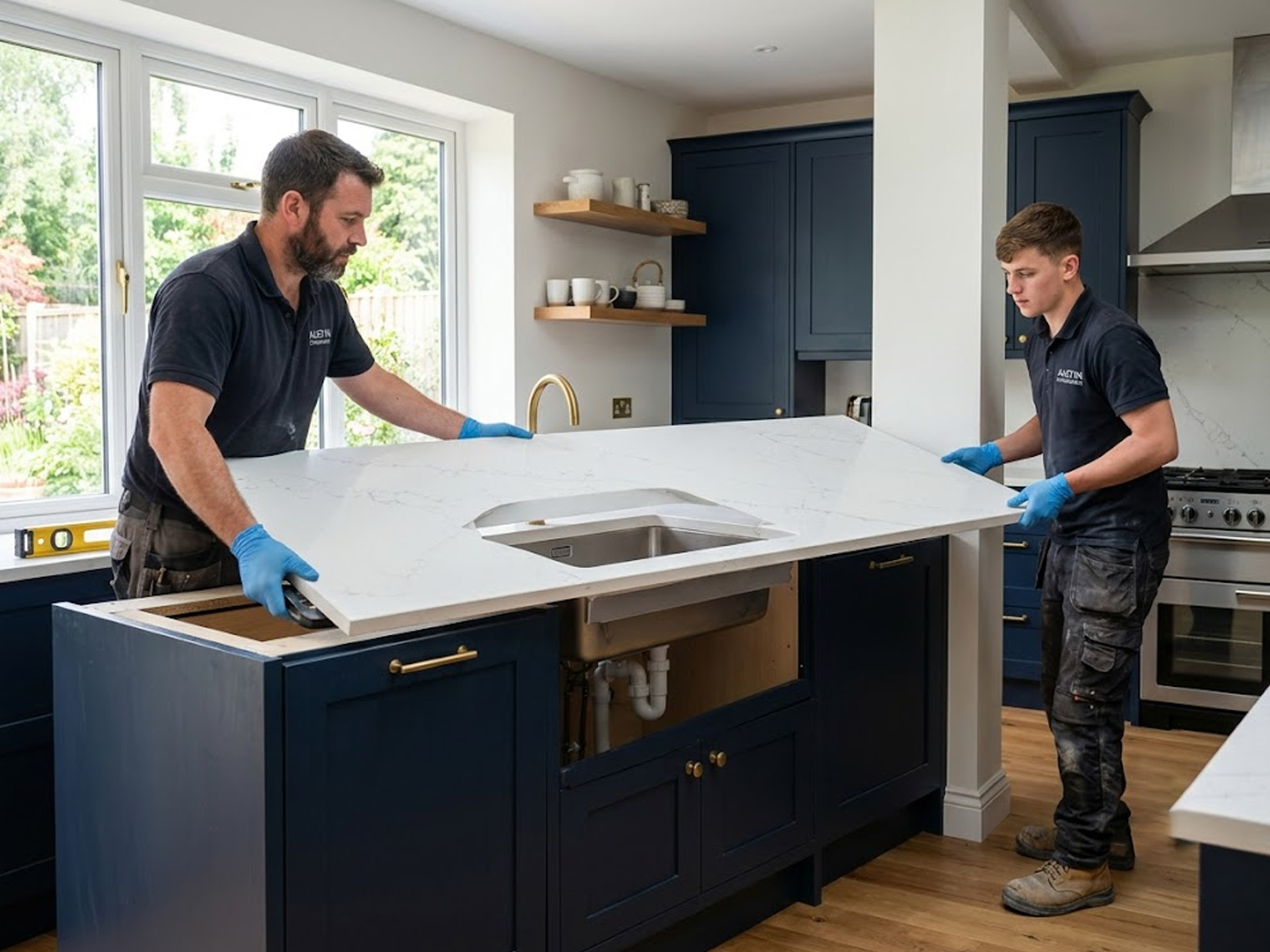
When our team arrives, the physical on-site work begins by carefully moving the bespoke slabs into your kitchen. This is often the most physically demanding part of the quartz worktop installation process, requiring multiple stonemasons to handle the immense weight safely.

The slabs are initially positioned in a “dry fit” manner to verify their alignment against the walls and across the cabinetry. We pay strict attention to the tolerances around sink cutouts, hob areas, and any bespoke shaping required for architectural features like pillars.

Verifying Overhangs and Upstands

During the dry fit, the lead installer will verify that the overhangs—typically 20mm to 30mm past the cabinet doors—are consistent throughout the layout. This step is crucial for achieving the aesthetic seamlessness expected from high-end, premium Quartz worktops.

If matching upstands are included in your order, these are also checked for height and fitment against the walls. This is the moment to address any micro-adjustments needed before the final, permanent adhesive is applied to the cabinets and the joints.

Phase 3: Seamless Joining and Final Adhesion

Once the positioning is confirmed, the stonemasons begin the permanent adhesion phase of the quartz worktop installation process. Specialised two-part epoxy resins, meticulously colour-matched to your specific stone palette, are applied to the joint faces.

The slabs are then tightened using specialised tensioning equipment, pulling the seam together to create a joint that is typically less than 3 mm wide. This level of precision requires immense skill, as an improperly mixed resin or poor tightening technique can ruin the monolithic appearance of the final installation.

Undermounting Sinks and Securing Hobs

Following the seaming, attention shifts to integrating key kitchen components like the sink and hob. For undermount sinks, we utilise mechanical fixings and specialised adhesives to ensure a watertight, structurally sound connection that withstands daily use.

Hobs are carefully dropped into their cutouts, ensuring a precise fit without placing stress on the narrow sections of stone. For more technical details on how we protect these vulnerable areas from stress, review kitchen worktop fabrication techniques.

Phase 4: Final Polishing, Sealing, and Client Walkthrough

The final phase of the quartz worktop installation process focuses on aesthetics, cleanliness, and quality control. After the joint resins have cured, the installers carefully remove any excess material, creating a seamless, polished joint line.

The entire surface is thoroughly cleaned to remove fabrication dust, finger marks, and installation residues. We apply a final polish to ensure the brilliant factory sheen is consistent across every slab and along every visible edge profile.

The Importance of the Final Walkthrough

Every Austin installation concludes with a detailed walkthrough involving the client and the lead stonemason. We inspect every seam, cutout, and edge profile together, ensuring that the final result meets our exacting, peer-to-peer quality standards.

This walkthrough is your opportunity to ask specific maintenance questions tailored to your new surfaces. For ongoing care, we always direct clients to our expert advice on how to clean and maintain your quartz worktops safely to prevent accidental damage.

The Austin Direct Fabrication Advantage for Installations

Securing the best quartz worktop installation process starts with choosing a fabricator that manages the entire project internally. At Austin Laminate Countertops, our direct-to-consumer model means we handle templating, fabrication, and installation ourselves.

By cutting out the expensive retail middlemen, we consistently offer superior pricing compared to high-street showrooms. This integrated approach ensures absolute quality control, guaranteed millimetre precision, and an incredibly streamlined communication process throughout your entire renovation journey.

Safe UK Manufacturing Standards

Our state-of-the-art fabrication workshop operates in full compliance with the latest health and safety regulations, particularly regarding silica dust management during the manufacturing stage. We utilize advanced wet-cutting CNC machinery to suppress hazardous dust entirely.

We adhere strictly to the guidelines set by the gov.uk Health and Safety Executive. This commitment ensures our stonemasons work in a safe environment, delivering a premium, uncontaminated product directly to your property for a flawless installation.

Secure Your Accurate Installation Quote Today

Stop relying on vague estimates and get an exact, transparent quotation for your bespoke quartz worktop prices uk. Our online tool provides a clear breakdown covering digital templating, in-house fabrication, and seamless professional installation.

Let our expert stonemasons transform your kitchen with precision-engineered surfaces. Visit our secure portal now to request your Free

uote and schedule your digital laser survey with our experienced team.

Can You Put Hot Pans Directly on Quartz Worktops?

No, you should never place hot pans directly onto quartz surfaces. While the natural stone minerals within the slab can withstand high temperatures, the polymer resins used to bind the composite material together will easily scorch, discolour, or crack.

  • Resin Damage: Intense heat exceeding 150°C melts the synthetic binding resins, leaving permanent yellow or brown ring marks.

  • Thermal Shock: Rapid temperature changes cause the rigid slab to expand unevenly, resulting in severe structural cracks.

  • Protective Measures: Always use protective trivets, heat pads, or integrated stainless steel hot rods to safeguard your investment.

The Core Science: Are Quartz Worktops Heat Resistant?

To understand how engineered stone reacts to intense heat, you must first examine how these modern surfaces are manufactured in our workshop. The raw material is a composite blend, consisting of roughly 90% natural quartz crystals bonded together with synthetic polymer resins.

While the crushed minerals themselves are highly stable, the resin binder acts as the weak link when exposed to extreme temperatures. Therefore, when people ask, ‘Are quartz worktops heat resistant?’, the honest answer is that they are only resistant to moderate, short-term warmth rather than direct flame.

Exposing the surface to temperatures above 150°C causes the polymer resins to chemically break down and scorch. This chemical reaction leaves behind a dull, discoloured ring that mirrors the shape of your hot cookware, which cannot be polished out on-site.

The Chemistry of Thermal Shock and Worktop Cracking

Thermal shock is a sudden physical reaction that occurs when a cold stone slab is exposed to a highly concentrated source of heat. When you place a boiling pot directly onto your counter, the localized area expands rapidly while the surrounding stone remains cold.

This sudden, uneven expansion creates immense internal tension within the rigid structure of your fabricated kitchen units. If the tension exceeds the tensile strength of the composite material, the slab will instantly develop a deep hairline crack.

Our master stonemasons frequently see these structural failures occurring near weak points, such as sink cutouts and joint seams. Ensuring your kitchen cabinets are perfectly level during installation is crucial, as any structural unlevelness amplifies the risk of thermal cracking under stress.

How Fabrication Precision Prevents Thermal Cracking

Digital templating allows us to plan your layout to strict millimetre tolerances, ensuring the weight of the stone is distributed evenly. A perfectly balanced installation eliminates hidden tension points, making your worktop far more resilient to physical and thermal stress.

Our state-of-the-art CNC machinery mills incredibly clean, rounded internal corners for undermount sinks and hob cutouts. Sharp, 90-degree internal cuts act as stress-concentrating areas, whereas rounded radii distribute tension safely to prevent future cracking.

You can learn more about how our advanced machinery ensures long-term structural integrity in our guide to kitchen worktop fabrication techniques. Choosing a certified fabricator guarantees your stone is processed correctly to prevent avoidable fractures.

preventing-thermal-shock-quartz-countertop

Practical Daily Tips to Prevent Heat Damage

Protecting your modern kitchen from accidental scorch marks requires establishing simple, daily habits that keep hot cookware off the stone. Investing in a set of high-quality wooden, silicone, or cast-iron trivets is the easiest way to safeguard your beautiful workspace.

You should also consider installing integrated stainless steel hot rods directly into the stone slab during the initial fabrication phase. These sleek, flush-fitting metal rails provide a dedicated, highly heat-resistant zone right next to your cooking hob.

We always advise customers to treat their worktops with the same care they would show to premium wood or high-pressure laminate. Taking these basic precautions ensures your kitchen surfaces retain their immaculate, showroom-quality finish for decades.

Choosing the Right Material for Your Kitchen Lifestyle

Selecting a kitchen surface should align perfectly with how you cook, prepare meals, and maintain your home daily. If you frequently handle heavy, piping-hot cast-iron skillets without thinking, engineered stone may require more conscious care than you prefer.

Homeowners who want an absolutely bulletproof material regarding thermal resistance often decide to opt for natural granite instead. However, this natural stone brings its own set of maintenance challenges, such as the strict requirement for annual chemical sealing.

To explore all the detailed pros and cons of engineered stone, review our comprehensive analysis of The Honest Pros and Cons of Quartz Kitchen Worktops. Weighing these practical factors helps you select the absolute best material for your specific cooking habits.

Comparing Heat Resistance Across Premium Materials

When evaluating are quartz worktops heat resistant, benchmarking the composite material against other popular worktop choices is highly beneficial. Every material possesses unique thermal thresholds and physical properties that dictate how they behave under extreme kitchen conditions.

Our fabrication facility processes various premium stones, allowing us to maintain strict quality control and offer objective material comparisons. The table below outlines the general heat tolerances and sealing requirements for the three most common kitchen worktop options.

Worktop MaterialMax Heat ToleranceSusceptibility to Thermal ShockSealing Requirement
Engineered QuartzModerate (Up to 150°C)Moderate (Resins can crack)Never Required
Natural GraniteExceptionally High (Over 250°C)Low (Highly stable)Annually
LaminateLow (Up to 90°C)Low (Will melt/delaminate)Never Required


The Relationship Between Colour and Heat Vulnerability

The specific pigment mixtures used to create different stone designs can play a surprising role in how heat damage presents visually. Darker slabs often hide minor surface marks well, but they can show dull, cloudy patches quite clearly if the resin scorched.

Conversely, light-coloured or marble-effect slabs will immediately show yellow or brown discolouration from hot cookware. When browsing for the most Quartz worktops colour options, you must keep these thermal maintenance realities in mind.

We always recommend choosing high-quality, certified slabs from reputable brands to ensure the highest ratio of natural quartz to resin. To see the most popular aesthetics currently trending in the UK, read our guide on the top popular quartz worktop colours uk.

How to Safely Clean Light Surface Residues

Occasionally, what appears to be a permanent scorch mark is actually just burnt food residue or metal transfer from the bottom of a pan. If a hot pot has left a dark streak, you must proceed with extreme caution to avoid scratching the polished factory finish.

Never use highly abrasive scouring pads, steel wool, or harsh acidic descaling chemicals to lift these stubborn surface marks. Instead, apply a mild, pH-neutral stone cleaner with a soft microfibre cloth to gently lift the residue without harming the resin.

For a step-by-step breakdown of safe, stonemason-approved cleaning techniques, consult our detailed guide on how to clean quartz worktops. Using the correct maintenance methods preserves the brilliant sheen of your worktop for years.

Fabrication Safety Standards and UK Regulations

Fabricating dense engineered stone to match your bespoke kitchen layout requires cutting, profiling, and polishing the slabs in a highly controlled environment. The raw manufacturing process generates hazardous crystalline silica dust, which must be managed strictly to protect workshop staff.

Our modern, state-of-the-art facility operates in absolute compliance with the workplace safety guidelines established by the gov.uk Health and Safety Executive. We utilise advanced wet-cutting CNC machinery to suppress dust, ensuring a clean, safe, and professional environment.

This strict adherence to safety standards guarantees our skilled stonemasons work under optimal conditions while delivering flawless stone to your home. It also ensures that the final polished surfaces arriving at your property are completely free from microscopic chemical residues.

Securing the Best Worktop Deals with Austin

Partnering with a dedicated, direct-to-consumer fabricator is the absolute best way to secure premium stone surfaces at a highly competitive price. Because we manage every single step from digital templating to final installation, we completely eliminate expensive middleman retail markups.

You can explore our extensive expertise and browse our full range of bespoke kitchen surfaces by visiting Austin Laminate Countertops directly. Our direct-to-consumer business model guarantees you receive exceptional engineering quality, millimetre-precise installation, and transparent, honest pricing.

Before making your final material decision, it is highly recommended to compare all your options thoroughly. Read our expert comparison on quartz vs granite worktops to understand which stone suits your daily cooking requirements.

Request Your Professional Templating Quote Today

Stop relying on vague showroom estimates and secure an accurate, comprehensive quotation tailored precisely to your specific kitchen layout. Our in-house team is ready to assist you with material selection, edge profiling, and scheduling your professional digital templating visit.

Submit your kitchen plans or dimensions today to receive an accurate, transparent pricing breakdown by requesting a Free Quote through our secure online portal. Let our master stonemasons elevate your home with guaranteed engineering precision and highly competitive direct pricing.

Do Quartz Worktops Stain? The Truth About Spillages

When property owners ask do quartz worktops stain, the definitive answer is no, not under normal kitchen conditions. Engineered quartz is exceptionally stain-resistant due to its unique manufacturing process.

  • Zero Porosity: Polymer resins bind the crushed minerals, creating a 100% non-porous surface that strictly repels liquids.

  • No Sealing Required: Unlike natural granite, you never need to apply chemical sealants to prevent spillages from penetrating the stone.

  • Surface Vulnerability: While the stone itself does not stain, highly acidic or caustic chemicals can chemically burn or bleach the resin binder.

  • Instant Cleaning: Simply wiping everyday culinary spills like wine, coffee, or curry paste with warm soapy water prevents any sticky residue buildup.

Why People Ask: Do Quartz Worktops Stain Frequently?

The primary reason clients constantly ask do quartz worktops stain is due to confusing engineered stone with highly porous natural marble. Natural stones possess microscopic fissures that readily absorb red wine and lemon juice, leading to permanent, deeply ingrained discolouration.

Because engineered stone consists of roughly 90% natural quartz blended with advanced polymer resins, those microscopic pores are completely sealed. This industrial fabrication process guarantees an impenetrable surface, ensuring your bespoke kitchen island effortlessly repels daily culinary accidents.

The Role of Polymer Resins in Preventing Marks

When assessing if these engineered surfaces stain, you must understand the vital role that synthetic polymer resins play in the slab’s structural integrity. These advanced resins act as a permanent, impenetrable shield, completely locking out moisture and bacteria from the core of the heavy material.

As master stonemasons, we rely on this predictable resin structure when CNC milling precise draining grooves and recessed sink cutouts. This internal consistency means even the freshly cut, unpolished edges around your under-mount sink remain highly resistant to water ingress.

Common Culinary Spillages and Do Quartz Worktops Stain?

To practically answer ‘Do quartz worktops stain?’, we must look at how the surface reacts to the most aggressive ingredients found in British kitchens. Turmeric, beetroot juice, and strongly brewed tea are notorious for ruining traditional high-pressure laminates and unsealed natural timber surfaces.

On an engineered stone surface, these heavily pigmented liquids simply pool on the top layer without ever sinking into the material itself. You can easily wipe away the vibrant liquid hours later, though we always recommend prompt cleaning to avoid the pigments drying into a sticky residue.

Dealing with Dried Spillages Correctly

A frequent issue causing homeowners to wonder about surface staining is when they mistake dried-on food residue for a permanent discolouration. A hardened splash of dark espresso or sticky red wine can mimic a deep blemish, particularly on lighter, marble-effect slab designs.

Instead of aggressively scrubbing the surface, apply a specialist pH-neutral cleaner and allow it to dwell for several minutes to break down the sugars. Never use abrasive scouring pads or metal blades, as these will permanently scratch the polished factory finish of your bespoke Quartz worktops.

cleaning-quartz-worktop-microfibre-cloth

Chemical Damage Versus True Discolouration

A critical distinction when discussing ‘do quartz worktops stain?’ is understanding the massive difference between a liquid penetrating the stone and a chemical burn. True stains happen when a liquid sinks into the pores of a material, which is physically impossible with dense, engineered composite slabs.

However, exposing your kitchen surface to harsh supermarket descalers, oven cleaners, or neat bleach will actively dissolve the protective polymer resins. This aggressive chemical reaction leaves a cloudy, dull white patch that homeowners mistakenly identify as a stubborn stain, but it is actually permanent structural damage.

Mistakes to Avoid During Daily Maintenance

We regularly inspect failing installations where clients have ruined their surfaces because they did not understand how to safely maintain engineered stone. Using highly acidic multi-surface sprays degrades the protective barrier daily, eventually leading to a complete loss of the brilliant, factory-applied sheen.

To preserve your investment, stick strictly to warm water and a mild, non-abrasive dish soap applied with a soft microfibre cloth. For a comprehensive breakdown of proper cleaning routines, review our detailed guide on how to clean and maintain your quartz worktops safely.

Comparing Materials: Do Quartz Worktops Stain More Than Granite?

When clients ask do quartz worktops stain more easily than natural granite, we always point to the strict necessity of chemical sealants. Natural granite requires a professional sealing treatment every twelve months to actively prevent bacteria and deeply coloured liquids from ruining the raw stone.

Engineered surfaces completely bypass this frustrating, ongoing maintenance loop, making them vastly superior for fast-paced, modern family households. The table below illustrates how different premium kitchen materials react to daily spills and chemical exposure.

Kitchen Surface MaterialPorosity LevelStain ResistanceMaintenance Requirement
Engineered Quartz100% Non-PorousExceptionally HighWipe clean with soapy water
Natural GraniteNaturally PorousHigh (If sealed correctly)Annual chemical sealing
Solid MarbleHighly PorousVery LowStrict, frequent sealing


Fabrication Standards and Health Regulations

The incredible density that prevents liquids from sinking in also means cutting these slabs generates highly hazardous crystalline silica dust. As a responsible fabricator, we must strictly control this fine particulate matter using industrial wet-cutting CNC machinery and advanced air filtration.

Our in-house fabrication facility operates in absolute compliance with the strict workplace safety standards enforced by the gov.uk Health and Safety Executive. This unwavering commitment guarantees our skilled stonemasons work safely while delivering perfectly milled, uncontaminated bespoke surfaces directly to your property.

Why Millimetre Precision Matters for Hygiene

A poorly fitted kitchen surface creates unhygienic dirt traps, which is just as problematic as worrying about daily culinary stains. If the base cabinets are unlevel during installation, the rigid stone slabs will not join perfectly, leaving unsightly, bacteria-harbouring gaps between the pieces.

We utilise advanced digital templating tools to measure your room to strict millimetre tolerances before manufacturing ever begins. This rigorous engineering approach ensures completely seamless, tight joints that are incredibly easy to wipe down and keep perfectly sanitised.

Direct Fabrication Eliminates Middleman Markups

Securing a hygienic, highly durable surface shouldn’t require paying inflated retail prices just to display premium stone in your home. Because we handle everything internally, we consistently offer superior pricing structures compared to high-street showrooms that outsource their cutting and fitting.

By managing the entire process, Austin Laminate Countertops guarantees uncompromising quality control from the initial digital laser survey to the final installation. Our direct-to-consumer model means you invest purely in premium materials and master craftsmanship, completely avoiding hidden external margins.

Secure Your Bespoke Kitchen Quote Today

Stop worrying about potential kitchen stains and start planning your luxurious, low-maintenance renovation with true industry experts. Our dedicated team will carefully guide you through the material selection process, ensuring you choose the perfect stone to match your demanding lifestyle.

Submit your precise kitchen dimensions today and receive an accurate, transparent quotation by requesting a Free Quote through our secure portal. Let our master stonemasons provide a flawless, precision-fitted surface that effortlessly withstands decades of heavy culinary use.

Top Quartz Worktop Colours for Modern British Kitchens

The most popular quartz worktop colours uk homeowners demand in 2026 highlight a strict shift towards organic warmth and high-contrast dramatic tones.

  • Warm Neutrals: Earthy beiges, taupes, and sandy hues are rapidly replacing stark, sterile whites.

  • Marble Effects: Calacatta and Carrara designs featuring striking gold or deep grey veining dominate high-end kitchen installations.

  • Dramatic Darks: Charcoal, espresso, and matte black shades offer breathtaking contrast against light cabinetry.

  • Industrial Greys: Concrete-effect finishes remain highly sought after for minimalist, urban open-plan living spaces.

The Evolution of Popular Quartz Worktop Colours UK

Modern British interiors now firmly reject flat, sterile palettes in favour of deeply textured, organic shades that bring genuine warmth and character into the home.

As experienced stonemasons, we are cutting far fewer plain white slabs compared to five years ago. Today’s bespoke kitchen designs demand complex, earthy tones and intricate, nature-inspired veining.

Sourcing these highly popular quartz worktop colours uk requires our fabrication team to inspect every single slab rigorously. This guarantees the synthetic pigments perfectly mimic organic stone before the CNC machines make the first cut.

The Dominance of Marble-Effect Quartz

Marble-effect engineered stone perfectly captures the luxurious aesthetic of natural quarried marble while entirely bypassing its porous, fragile nature.

Homeowners continually request these popular quartz worktop colours uk to achieve breathtaking, seamless waterfall islands. The engineered polymer resins ensure extreme durability against heavy daily culinary impacts.

However, fabricating marble-effect stone demands incredibly precise digital templating and highly strategic cutting. We must meticulously align the bold veining across every joint to ensure a flawless, uninterrupted monolithic visual aesthetic.

Calacatta Gold and Striking Vein Patterns

Calacatta Gold is universally recognised for its stark white background contrasted sharply by thick, sweeping veins of warm gold and subtle grey.

This specific design pairs exceptionally well with the brushed brass taps and dark navy cabinetry dominating modern Shaker-style kitchens. It anchors the room, immediately drawing the eye to the central bespoke island.

If you are debating the structural limitations of heavily veined engineered stone, review The Honest Pros and Cons of Quartz Kitchen Worktops. This guide highlights exactly how intense heat affects these synthetic resin binders.

Carrara Shimmer for Subtle Elegance

For homeowners seeking a softer visual impact, Carrara-style quartz offers delicate, feathery grey veining that provides elegant texture without overwhelming the space.

These more subtle popular quartz worktop colours uk are perfectly suited for smaller galley kitchens where natural light is heavily limited. The lighter palette reflects natural sunshine beautifully, creating a bright, airy, and inviting atmosphere.

We regularly install these sophisticated Quartz worktops to complement sage green or mushroom-toned bespoke cabinetry. The subtle pattern hides daily dust while remaining incredibly easy to wipe down.

The Rise of Industrial and Concrete Aesthetics

Matte grey and concrete-effect quartz surfaces deliver a sleek, urban industrial aesthetic while bypassing the intense sealing requirements of genuine poured cement.

These specific popular quartz worktop colours uk are incredibly trendy in modern loft renovations and expansive open-plan layouts. They provide a tactile, grounded foundation that contrasts beautifully against raw wooden architectural fixtures.

Before choosing a concrete finish, clients must understand that matte textures sometimes require a slightly different cleaning approach. While they hide breadcrumbs well, greasy fingerprints can occasionally appear more prominent than on highly polished slabs.

Taupe and Greige: The New Neutrals

Greige and warm taupe bridge the gap between cool industrial greys and traditional warm beiges, creating a highly versatile, soothing neutral palette.

We see immense demand for these popular quartz worktop colours uk because they effortlessly harmonise multiple materials within one room. They seamlessly connect exposed brickwork, stainless steel appliances, and natural oak flooring.

Fabricating these subtle tones requires our workshop to maintain absolute cleanliness to prevent cross-contamination. Our meticulous handling guarantees your bespoke surfaces arrive at your property completely flawless and ready for immediate use.

Bold and Moody: Dark Quartz Masterpieces

Deep charcoal, espresso brown, and absolute black quartz options are increasingly requested for highly dramatic, cinematic kitchen environments.

These dark popular quartz worktop colours uk offer breathtaking contrast when paired directly alongside stark white or pale cream cabinetry. They serve as a brilliant, highly durable anchor for heavy-duty food preparation zones.

To ensure these deeply pigmented surfaces maintain their pristine factory sheen, proper cleaning routines are essential. We highly advise reading How to Clean and Maintain Your Quartz Worktops Safely to prevent cloudy hard watermarks.

Addressing Common Client Colour Mistakes

The most disastrous design mistake clients make is selecting their final slab colour based entirely on a tiny, two-inch digital or physical swatch.

When exploring popular quartz worktop colours uk, you must always view the full-sized slab under natural daylight. Artificial showroom lighting drastically alters how the internal pigments and mirror flecks actually appear in reality.

Another common failure occurs when clients choose a dark, highly polished stone for an incredibly busy, sunlit family kitchen. The intense natural sunlight will rapidly highlight every single fingerprint, dust particle, and smudged smear.

precision-cnc-cutting-quartz-worktops

Essential Installation and Templating Realities

Regardless of which aesthetic you choose, achieving a flawless finish relies entirely upon millimetre-precise digital templating and perfectly level base cabinets.

The heaviest popular quartz worktop colours uk demand absolute structural integrity from the supporting wooden kitchen units below. If the base cabinetry is unlevel, the rigid stone will inevitably suffer catastrophic stress fractures over time.

Furthermore, poor sink and tap hole choices made late in the process often ruin the structural integrity of the stone. Complex recessed draining grooves must be precisely CNC milled during the initial fabrication phase.

Comparing Performance: Popular Quartz Worktop Colours UK

Different shades and finishes of engineered stone react uniquely to daily culinary wear, hard water deposits, and natural sunlight exposure.

While all engineered stone shares the same durable polymer core, the visible surface finish heavily dictates your daily maintenance routine. Polished surfaces repel grease easily, whereas textured matte finishes require slightly more vigorous wiping.

The comparison table below breaks down exactly how the most popular quartz worktop colours in the UK perform in a busy, high-traffic British household.

Quartz Colour PaletteDaily Maintenance LevelBest Cabinetry PairingVisibility of Watermarks
Pure White / CarraraLow (Hides dust well)Navy Blue, Sage GreenVery Low
Bold Calacatta GoldLow (Wipe clean only)Dark Grey, Oak, BrassVery Low
Industrial Concrete / MatteMedium (Shows oil smudges)Raw Wood, Stainless SteelModerate
Charcoal / Midnight BlackMedium (Shows dust quickly)Crisp White, Pale CreamHigh (Requires dry buffing)


Fabricating Your Bespoke Kitchen with Austin

Managing the entire manufacturing process in-house allows us to maintain absolute control over the final quality of your bespoke stone surfaces.

Sourcing the best popular quartz worktop colours in the UK directly allows Austin Laminate Countertops to bypass expensive retail showrooms completely. This highly efficient, direct-to-consumer model absolutely eliminates costly middleman markups from your project budget.

When evaluating your total renovation budget, you should rigorously benchmark against other premium materials. Review our guide on Quartz vs Granite Worktops: Which is Better for Your Kitchen? to understand specific material limitations.

Strict Compliance and Workshop Safety

Fabricating dense engineered stone generates hazardous silica dust, demanding strict adherence to advanced workplace safety and air filtration protocols.

Our modern facility complies entirely with the rigorous regulations set forth by the gov.uk Health and Safety Executive. We utilise highly advanced wet-cutting CNC machinery to suppress hazardous dust entirely.

This rigorous commitment to professional safety ensures our master stonemasons remain protected while crafting your bespoke worktops. It also guarantees your final surfaces are delivered entirely uncontaminated and finished to millimetre perfection.